

Did you know co-living spaces in Singapore are really popular? Rents range from S$800 to S$3,500 a month. This shows a great opportunity for starting a co living business in this lively city.
Brands like Hmlet and Cove are already leading the way. It’s a perfect time to learn about starting our own co-living business.
As more people want community-focused housing, we need to know the basics. Our guide will cover important topics like legal rules, market analysis, and real estate choices. By understanding these, we can offer co-living spaces that attract a wide range of people, from young professionals to families.
By diving into the co-living sector, we can shape the future of urban living in Singapore. We’ll make sure our spaces meet our residents’ needs while keeping our business sustainable.
Co-living is a new way to live in cities, mixing private rooms with shared areas. It’s perfect for young professionals and digital nomads who want to be part of a community. This model fits well with today’s co living trends. Starting a co living space in Singapore is exciting, thanks to its growing demand.
Co-living means having your own space but also sharing common areas. You get kitchens, lounges, and event spaces. It’s great for those who like to meet new people and network, even more so after COVID.
Co-living has many perks:
Co living is getting more popular in Singapore. This is because of more people living in cities and working from home. Companies like Hmlet and Coliwoo are leading the way. Starting a co living business is a good idea, thanks to the trend of flexible living.
| Feature | Residential Properties | Serviced Apartments |
|---|---|---|
| Minimum Stay Duration | 3 months | 7 days |
| Minimum Unit Size | 35 sqm | N/A |
| Cap on Unrelated Persons per Unit | 6 individuals | N/A |
The co living sector focuses on community and connection. It’s appealing to today’s workforce. Starting small, with 10 to 50 units, is a good strategy. This way, new businesses can tap into the growing demand for shared living in Singapore.
Knowing who might live in our co-living spaces is key to success. We can tailor our services to fit their needs by understanding who they are. This includes young professionals, expats, students, and digital nomads looking for flexible housing that feels like a community.
We focus on creating spaces where people can connect and network. This helps build a sense of community among our residents.
Our main group includes young professionals, expats, students, and digital nomads. Young professionals want convenience and a community feel. Expats need temporary housing that makes their move easier. Students look for affordable, easy-to-get-to places.
By knowing these groups, we can tailor our marketing and services to meet their needs.
To meet our residents’ needs, we must understand what they want. They value things like fast Wi-Fi, nice communal areas, and easy access to public transport. They also want affordable rent that includes utilities and internet.
Flexibility in lease terms is important too. This lets us match our offerings to what they’re looking for.
Breaking down the market helps us see the different groups within it. We can focus on segments like temporary expats, local students, and young professionals. This way, we can tailor our services to each group’s needs.
Factors like location, age, and income help us target our marketing. This ensures we appeal to a wide range of people.
| Demographic Group | Key Characteristics | Preferences |
|---|---|---|
| Young Professionals | Age: 25-35; Often employed in urban areas | Community engagement, flexible leases, high-speed internet |
| Expatriates | Relocating for work; Temporary residency | Short-term leases, furnished spaces, access to business hubs |
| Students | Typically ages 18-24; Enrolled in local institutions | Affordable pricing, proximity to universities, social activities |
| Digital Nomads | Remote workers; Travel often | Flexible arrangements, co-working spaces, networking events |
Finding the perfect spot for our co-living spaces in Singapore is key to our success. Singapore is known worldwide as a business hub. This has made co-living spaces very popular, mainly among young professionals and digital nomads. It’s important to pick the right areas and know what makes a good co-living site.
Some top spots for our co-living spaces are:
These places are close to public transport, shops, restaurants, and coworking spots. This makes them perfect for our target group. By choosing these ideal co living locations, we create a lively community atmosphere. This is key for keeping our tenants happy.
When looking at sites, we need to think about:
By studying these co living location criteria, we make sure our spaces are appealing. Knowing the local community helps us create a better social experience. This is important for the success of our co-living projects.
Doing a deep competition analysis for co living is essential. Companies like Hmlet, Coliwoo, and Figment have many properties in Singapore. They offer different features and prices. By looking at what they do, we can find ways to stand out and offer more.
Talking to online communities can also give us insights. For more ideas, check out the co-living options in Singapore.
Creating a welcoming atmosphere is key to great co-living spaces. We focus on both group activities and personal comfort. Using warm colors, comfy furniture, and open areas helps build friendships among residents.
Being flexible in design helps people socialize while keeping their space private. This balance is important for a good co-living experience.
To make co-living spaces welcoming, we design living areas that encourage community. Each area balances privacy and social time, making residents feel connected but safe. In cities, we use floor layouts to boost daily interactions. In the countryside, we add private spots for quiet time.
Adding must-have amenities makes living better. We include kitchens, lively lounges, and work areas. Also, we make sure there’s reliable Wi-Fi, laundry, and cleaning for shared spaces.
Having central areas for gatherings helps residents meet and bond. These spots are near where everyone walks by, making it easy to meet up.
Designing co-living spaces that look good and work well is our goal. We use smart tech like smart locks and apps for easy access. Choosing eco-friendly materials and designs that promote wellness is also important.
We aim to create spaces that are both beautiful and practical. This way, our co-living spaces meet the needs of today’s residents.
For more on how to improve our spaces, check out this resource. It offers new ideas for designing amazing co-living areas.
| Amenity | Description | Importance |
|---|---|---|
| Flexible Workspaces | Areas designed for productivity, equipped with reliable internet | Supports remote work and study |
| Communal Living Areas | Shared spaces for cooking, dining, and relaxation | Encourages community building |
| Private Retreats | Individual rooms with soundproofing and personal bathroom facilities | Provides necessary privacy |
| Smart Technology | Features like smart locks and app management systems | Enhances convenience and security |
| Eco-Friendly Design | Sustainable materials and energy-efficient systems | Reduces ecological footprint |
Starting a co-living venture in Singapore means dealing with many legal rules. Knowing the co living zoning regulations helps us stay within the law. This protects our investment and keeps our tenants happy.
Following local laws is key for our business. It shows we care about managing our community responsibly.
Local zoning laws tell us how to use properties, mainly in cities. In Singapore, following these rules is essential. These laws help keep communities close by limiting who can live together.
Breaking these laws can cause big problems. We could face fines or even have to stop our business. It’s important to know about stay times and how many people can live in a place.
To run a co-living business, we need the right licenses and permits. Getting permission to operate is just the start. We also need to get okay for any changes we make to the building.
Working with legal experts helps us meet these requirements. This lets us start our business smoothly and keep it running right.
Keeping our spaces safe is a big part of our job. We must follow local building codes for fire safety, exits, and more. Regular checks are needed, like after we make changes.
We also have to keep shared areas clean to avoid health problems. Local health checks might be required to make sure we’re following all the rules.
In today’s competitive co living market, finding what makes us special is key. We must stand out with unique amenities, community programs, and eco-friendly designs. These appeal to those who care about the environment.
Our unique selling points make people want to live with us. We focus on modern, sustainable designs and community activities. Exceptional service is also a big part of our value.
A good value proposition should be clear in just five seconds. We answer the question: “Why should someone choose our co living space?” This helps us connect with our audience. Learn more about the importance of crafting a unique value.
A strong brand identity comes from a clear mission and values. We share stories and successes to connect with our audience. This builds loyalty.
Effective messaging is key to sharing our brand across platforms. Being consistent in branding makes our co living brand stand out. It becomes the preferred choice.
We use various marketing strategies to share our vision. Social media, engaging websites, and community outreach show our commitment. This makes our community narrative relatable and appealing.
Regularly updating our value proposition keeps us relevant. It helps attract new clients and maintain our appeal.
Creating a strong marketing plan is key for our co-living business to succeed in Singapore. Using digital marketing helps us connect with our audience. Social media strategies help us build our brand and stay visible online.
A strong online presence is essential for attracting tenants. SEO best practices make our website more visible in local searches. We engage on Instagram, Facebook, and LinkedIn to connect with people and show off our spaces.
Using data analytics helps us improve our marketing. It lets us make smart choices about what content to share and who to target. Digital marketing, like email campaigns, keeps us in touch with interested renters.
Community engagement is vital for our reputation and trust. Working with local businesses leads to events and workshops. This boosts community spirit. Hosting social events brings residents closer together.
Building relationships through local networking expands our tenant base. It also strengthens our community culture. This creates a supportive environment for everyone, making our space appealing.
Effective promotions grab the attention of our target market. Advertisements that highlight our unique features spark interest. Flexible leasing options and community benefits make our promotions more attractive.
Special offers and seasonal promotions create a sense of urgency. This encourages people to make decisions faster. Our visually appealing ads resonate with our audience, boosting occupancy rates and showing off our community’s vibrant lifestyle.
Creating strong partnerships is key for our co-living spaces in Singapore to grow. Working with local businesses, real estate experts, and service providers makes our spaces better. It also helps us connect more with the community.
Working with local businesses adds value for our residents. Deals with gyms, cafes, and entertainment spots make living here better. These partnerships boost our brand and help us understand what our tenants want.
Real estate networking is important for filling our spaces and finding new residents. Team up with local agents to get their knowledge and connections. This helps us stay on top of market trends and attract more people looking for co-living.
Partnerships with service providers keep our spaces top-notch. Working with cleaning, maintenance, and security teams keeps our residents happy. About 60% of companies say these partnerships help them grow by sharing resources and expertise.
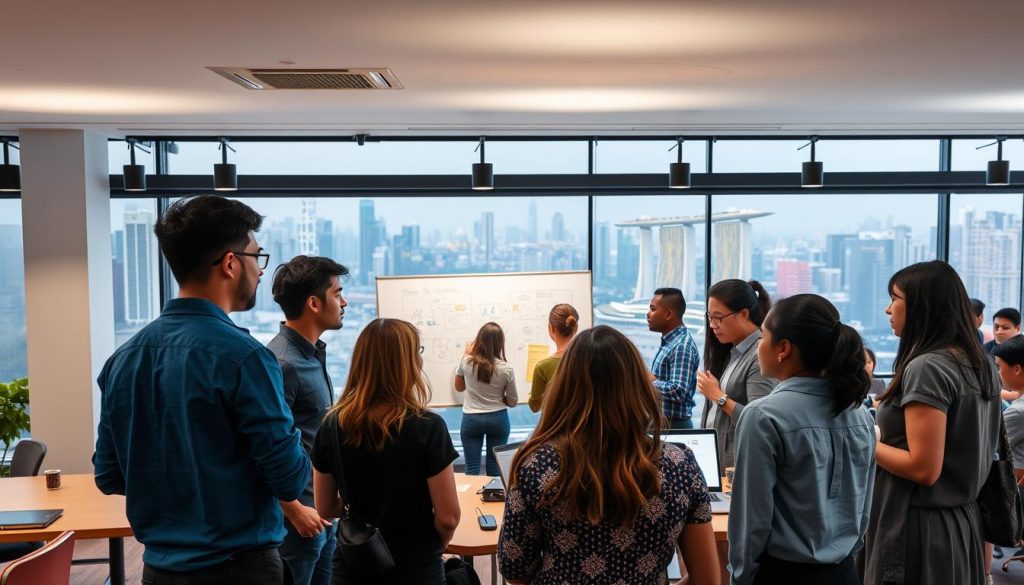
In co-living, quality management and operations are key. They help create a great environment. This way, we keep high standards and make sure everyone is happy.
Choosing the right team is critical for our co-living space’s success. Our staff must share our values and focus on excellent customer service. A skilled team handles tenant relations, maintenance, and events, making our space better for everyone.
Setting up clear procedures is important for managing our space well. These should cover everything from welcoming new tenants to planning events. By documenting these steps, we ensure consistency and follow best practices. This helps our team provide top-notch service.
Regular quality checks are vital for maintaining our standards. We do inspections and listen to what our residents say. This helps us fix any issues quickly, keeping our space up to par and making our tenants happy.
In today’s competitive world, it’s key to use new marketing for co living. With over 20 players in Singapore’s co-living market and more than 9,000 keys, we need to stand out. Using engaging multimedia content helps us show what makes us special and attract new tenants.
We need fresh ideas to grab the attention of future residents. Virtual tours let people see our spaces without leaving home. This shows off our unique vibe and community feel.
Using influencers can also help us get noticed. It creates buzz around our brand. Hosting open-house events helps people meet and connect, making our community feel welcoming.
Listening to our tenants is key for growth. Regular surveys and feedback sessions give us valuable insights. This helps us improve and make our community feel like home.
Staying up-to-date is essential for quality in co living. We keep an eye on trends and adjust our services to meet new needs. This keeps us competitive and loyal tenants happy.

| Marketing Strategies | Description | Expected Outcomes |
|---|---|---|
| Virtual Tours | Remote exploration of spaces | Increased interest and inquiries |
| Influencer Marketing | Promotion through popular social media figures | Broader audience reach |
| Experience Promotions | Engaging future tenants via events | Higher chance of becoming a tenant |
| Regular Feedback Sessions | Collecting tenant insights regularly | Better tenant satisfaction and retention |
| Trend Monitoring | Keeping up with industry changes | Quick service upgrades |
We know how important a clean and welcoming place is for our co-living spaces. Our team is skilled in making sure every corner is spotless. This makes our community a bright and lively place to be.
In Singapore, people value cleanliness a lot. So, our cleaning services fit right in with what our residents need.
Our team works hard to offer the best cleaning for co-living spaces. We make sure our staff is always up-to-date with the latest cleaning methods. This way, we meet high standards and make our space welcoming for everyone.
We’re proud to help make our community a better place with our quality cleaning services.
Check out our special cleaning deals for co-living spaces. You can reach us on WhatsApp at +65 9434 1391 to learn more. Our offers are designed to make our place even cleaner and more inviting.
Don’t miss out on our cleaning specials. They’re all about making life better for everyone here. Let’s work together to keep our space clean and fun.
Co-living is a new way to live where people share common areas but have their own private spaces. It helps build a community among those living there.
Co-living is cheaper than traditional housing, with flexible lease options. It also offers chances to meet new people and enjoy shared utilities and amenities.
Our target residents are young professionals, expats, students, and digital nomads. They look for housing that’s flexible and encourages community living.
We should look at the area’s demographics, public transport, local amenities, and how close it is to work and schools.
We can focus on what makes us unique, like special amenities and community programs. This helps us attract the right people.
We should offer fully equipped kitchens, fast Wi-Fi, common areas, secure entry, and cleaning services. These make living better for our residents.
We must follow local zoning laws, get the right licenses, and meet safety standards. This ensures we operate legally in Singapore.
We should use social media, digital marketing, and local community engagement. Eye-catching promotions can also help attract tenants and boost our brand.
We can work with local businesses, network with real estate agents, and partner with service providers. This improves our residents’ experiences and our community standing.
Hiring the right team and setting clear procedures are key. Regular checks help keep things running smoothly and keep our tenants happy.
Nestled in the bustling Singapore, Livhola is a co-living space crafted for those who seek comfort, convenience, and community.
© 2024 Livehola. All Rights Reserved