

Are you moving to Singapore for work or a new adventure? Co-living spaces in Singapore are perfect for millennials and young professionals. They offer convenience, community, and cultural experiences.
Finding the right place to live can be tough. That’s why we’re here to help you find your ideal co-living lease in Singapore. Our spaces are designed for comfort and socializing. You’ll get high-speed internet, cleaning services, and fully equipped kitchens.
Want to try co-living in Singapore? Contact us at admin@livhola.com. Learn about our promotions, rates, and schedule a viewing without any commitment.
Singapore’s housing scene is changing fast with co-living spaces becoming more popular. The city is getting more crowded, and people want homes that are flexible and have a sense of community.
Co-living spaces in Singapore aim to create a cozy and productive place to live. They often have co-working spots, private rooms, and areas for everyone to hang out. This meets the needs of today’s residents.
Key features of co-living spaces include:
Co-living tackles big issues in Singapore’s urban housing, like making the most of limited space and building a community.
Co-living makes the most of Singapore’s limited land. It offers compact but well-thought-out living spaces. This smart use of space is key in a city where land is hard to find.
Co-living spaces bring people together with events and shared areas. This helps fight the feeling of loneliness that can come with city living.
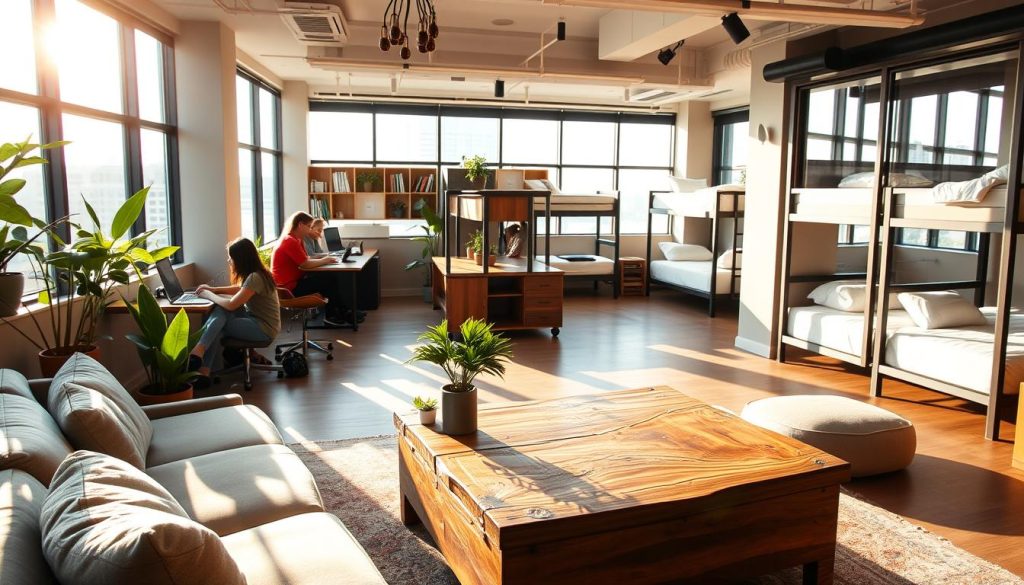
Co-living is changing how people live in Singapore. It combines new design ideas with a focus on community, reshaping the housing scene.
Co-living leases in Singapore offer a mix of financial, social, and lifestyle perks. They appeal to both expats and locals.
Co-living leases save money. Residents share utilities and amenities, cutting costs compared to traditional housing.
Cost Comparison:
| Category | Co-Living | Traditional Housing |
|---|---|---|
| Rent | $1,500 | $2,000 |
| Utilities | Included | $200 |
| Furniture | Furnished | $1,000 (one-time) |
Co-living spaces create a community vibe. They host events and have shared areas for networking and forming connections.
Co-living leases fit modern lifestyles. They offer flexibility in lease terms and convenience in services.
Residents can pick between short-term and long-term leases. This lets them plan their stay as they see fit.
Co-living spaces come fully furnished. Utilities are included in the rent, making life easy for residents.

Singapore’s co-living scene is full of variety. You can find everything from shared apartments to purpose-built co-living buildings and boutique communities. Each option caters to different lifestyles and tastes.
Shared apartments are a favorite among co-living fans. They have common areas like kitchens and living rooms. But, each bedroom is your own. This mix of shared and private spaces helps people feel connected yet keeps their space personal.
Purpose-built co-living buildings are all about community. They come with cool extras like gyms, coworking spots, and lounges. These places are made for today’s city dwellers, aiming for comfort and convenience.

Boutique co-living spots offer a special vibe. They have unique themes and designs, making each place stand out. Some even focus on certain interests or groups, helping people feel they belong.
Livhola stands out by focusing on community. They aim to build strong bonds among residents. This approach encourages people to connect and work together.
Some co-living places in Singapore have special themes. You might find wellness-focused spots or creative hubs. These themes help create a community with shared values and interests.
Choosing the right co-living space in Singapore requires careful thought. We must consider what matters most to us. This includes our lifestyle, convenience, and the community we want to be part of.
The location of a co-living space is key. We should think about how close it is to our job, public transport, and important places like grocery stores and gyms. A good location can save us time and make our lives better.
Key considerations for location include:
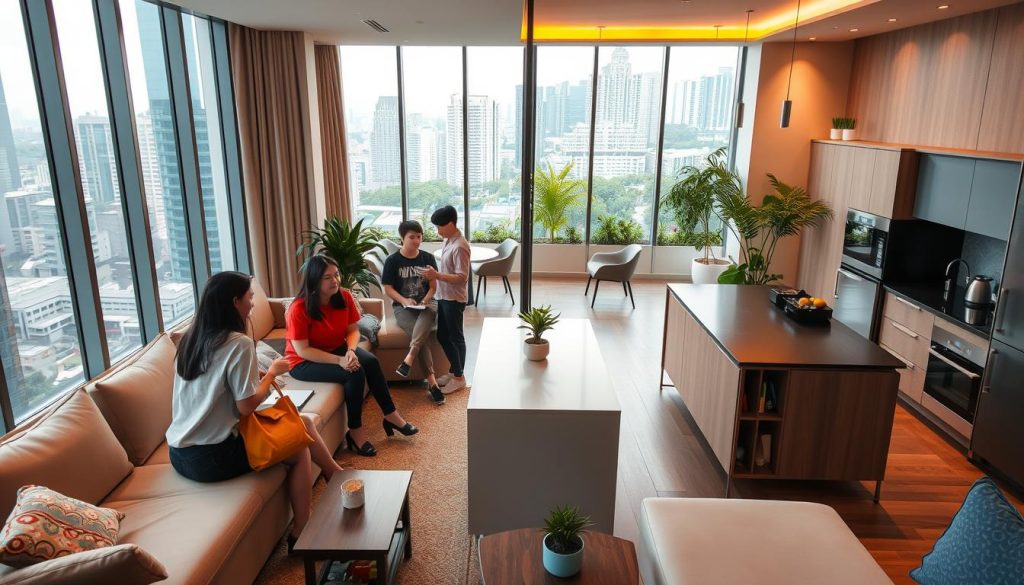
The facilities and services of a co-living space greatly affect our quality of life. Look for spaces with fast internet, gyms, and common areas. Some also offer cleaning and laundry services.
Amenities to look out for include:
The community culture and rules of a co-living space are important. We should think about if the space hosts social events and how it manages community interactions.
Social events help build a community in a co-living space. Look for spaces that host events and have a community manager to help residents connect.
“A strong sense of community can make a co-living space feel like home.” – Co-Living Resident
Privacy is as important as community. We need to see how a co-living space balances shared areas with private spaces. This includes the design and rules for respecting privacy.
Tips for balancing community and privacy:
Exploring co-living in Singapore means knowing about lease terms and conditions. It’s key to understand lease agreements well. This ensures a smooth and hassle-free living experience.
Co-living in Singapore offers flexible lease terms. You can find leases from a few months to over a year. This flexibility is great for expats or those with short-term jobs.
Experts say, “Flexibility in lease duration is a key selling point for co-living spaces. It lets residents adjust to changes without long-term contracts.”
Knowing about deposits and payments is important. Co-living spaces usually ask for a security deposit, often one to two months’ rent. Payment options vary, from monthly to upfront.
For more on co-living lease agreements, check out LivHola’s guide.
It’s important to know about termination policies. Look for providers with reasonable notice and flexible terms. Some may charge for early termination, so read the agreement well.
An expert says, “The key to a stress-free co-living experience is understanding your lease terms and conditions before signing.”
Co-living tenants in Singapore have legal protections. The Singapore Tenancy Agreement outlines rights and duties. Knowing these laws can prevent disputes and ensure a smooth tenancy.
When reviewing your lease, focus on rent, maintenance, and house rules. Make sure you know your duties and how to report issues or solve disputes. A detailed review can avoid future problems.
“The devil is in the detail,” and when it comes to co-living lease agreements, understanding the fine print can make all the difference between a harmonious living experience and a stressful one.
Understanding the co-living lease application process is key. We’ll guide you through the needed documents and steps. You’ll learn about the required documents, a step-by-step guide, and tips for a successful application.
To apply for a co-living lease, you’ll need to provide certain documents. Locals should have their NRIC (National Registration Identity Card). Foreigners need their passport and visa documents. It’s essential to check with your co-living provider for their specific requirements.
| Document Type | Locals | Foreigners |
|---|---|---|
| Identification | NRIC | Passport |
| Proof of Income | Payslip or Employment Letter | Employment Contract or Bank Statement |
| Visa Documents | N/A | Relevant Visa Documents |
The application process has several steps:
To increase your chances of a successful application, ensure that you provide all required documentation and that your information is accurate and up-to-date. Here are some additional tips:
To stand out as a desirable co-living resident, emphasize your ability to be a considerate and respectful housemate. This can be demonstrated through your application by highlighting any relevant experience living with others or your willingness to participate in community activities.
Some common mistakes to avoid include not providing complete documentation, not reading the lease agreement carefully before signing, and not asking questions if you’re unsure about any part of the process. Being thorough and informed will significantly improve your application.
Singapore’s co-living neighborhoods offer something for everyone. From bustling city centers to laid-back coastal areas, each neighborhood has its own charm. They blend lifestyle, amenities, and connectivity in unique ways.
The Central Business District (CBD) is perfect for professionals. It has many co-living spaces close to work, dining, and entertainment.
Living in the CBD means a vibrant lifestyle. But, it can get busy, mainly during rush hours.
The East Coast and Katong areas offer a calm vibe. They mix coastal living with city amenities.
Co-living spaces here often have beach views and parks nearby. Residents enjoy local food, shops, and cultural spots.
Singapore also has new co-living districts. These areas offer fresh urban living with new amenities and developments.
When picking a co-living neighborhood, think about amenities. Look for grocery stores, restaurants, gyms, and community spaces.
| Neighborhood | MRT Access | Bus Connectivity | Overall Score |
|---|---|---|---|
| Central Business District | Excellent | Good | 9/10 |
| East Coast | Good | Excellent | 8.5/10 |
| Katong | Fair | Good | 7.5/10 |
The table shows each neighborhood’s strengths in transportation. The CBD is great for MRT, while the East Coast is best for buses.
To enjoy your co-living experience, it’s important to connect with your housemates and join in community activities. Finding the right balance between being social and keeping your privacy is key.
Strong bonds with your housemates can make your co-living experience better. Try hosting dinner parties or game nights to start conversations and build a community. For more ideas, check out Co-Living 101: The Ultimate Guide to Enjoying Shared.
Joining in community events helps you get to know your housemates better. These can be anything from casual meetups to group outings or workshops. Being part of these activities strengthens your relationships and makes your living experience richer.
Being social is important in co-living, but so is keeping your personal space. Finding this balance is essential for a peaceful co-living experience.
It can be tough to have your own space in a shared place. Setting boundaries and choosing private areas can help. Using dividers or curtains also creates a personal space.
Conflicts can happen in shared living spaces. Solving them requires open talk, empathy, and being willing to compromise. Having clear rules and a mediator can also help.
| Tips for Co-Living Harmony | Description | Benefits |
|---|---|---|
| Host Community Events | Organize dinners, game nights, or outings | Builds relationships, fosters community |
| Respect Personal Space | Set boundaries, use dividers | Maintains privacy, reduces conflict |
| Communicate Openly | Discuss issues, listen actively | Resolves conflicts, strengthens bonds |
Co-living in Singapore is a mix of social life and private space in a beautiful setting. It’s not just a place to live; it’s joining a lively community. This community encourages connection and teamwork.
To learn more about our current promotions, rates, and to schedule a no-obligation viewing, please don’t hesitate to contact us via email at admin@livhola.com. We’d be delighted to guide you through the next steps in your co-living journey.
Choosing co-living is more than a housing choice. It’s a lifestyle that offers flexibility, community, and convenience. We invite you to see the Livhola difference. Discover a place that truly feels like home.
Co-living means sharing a living space with others. In Singapore, it offers a community-driven lifestyle. It addresses urban housing challenges.
Co-living leases in Singapore save money. They offer community and networking chances. Plus, they are flexible and convenient, with options for short or long stays.
Singapore has many co-living options. You can find shared apartments, purpose-built buildings, and boutique communities. Each has its own unique features.
Look at location, facilities, and community culture. Also, consider social events and privacy. This ensures a comfortable living experience.
Co-living leases in Singapore are flexible. You can choose from short-term to long-term options. This flexibility meets different needs.
The application process requires documents like ID and income proof. Follow a step-by-step guide. Be prepared and present yourself well for a successful application.
Popular areas include the central business district and the east coast. Katong and up-and-coming districts also offer great amenities and transport links.
Build strong relationships with housemates. Join community events. Balance privacy and socializing. Create your own space in shared areas.
Laws protect co-living tenants in Singapore. They ensure fair and secure rental agreements for residents.
For more information, contact us at admin@livhola.com. Learn about our promotions, rates, and schedule a viewing.
Nestled in the bustling Singapore, Livhola is a co-living space crafted for those who seek comfort, convenience, and community.
© 2024 Livehola. All Rights Reserved