

Did you know that as of Q3 2018, co-living space in Singapore made up less than 1% of private housing? This shows a huge chance for the co-living model to change how we live in cities. With high living costs, more people, like young professionals and expats, want affordable places to live. These places aim to be cheap but also build a strong community where people feel connected.
The co-living model is changing how we think about homes in Singapore. It fits with today’s lifestyle, where being flexible and part of a community is key. These spaces offer amenities and places to hang out, appealing to millennials who value living with others. As this trend grows, Singapore’s city life will become more welcoming and fun for all.
The co-living concept changes how we see shared living spaces. It creates places where people come together, sharing space and experiences. This builds a community that goes beyond just a place to live.
Co-living means living in shared spaces that encourage people to interact. Unlike traditional apartments, co-living focuses on building connections. It’s perfect for those looking for more than just a place to stay.
Co-living spaces have unique features, such as:
These features make living in co-living spaces more than just basic needs. They enhance the overall experience.
People who choose co-living get many benefits. One big advantage is lower living costs, thanks to shared spaces and amenities. There are also flexible lease options, allowing for life changes without hassle.
Communal living also helps build strong relationships. It creates a supportive network among like-minded people. For more information, check this comprehensive resource.
In recent years, Singapore’s housing scene has changed a lot. Co-living spaces have become more popular. This shift is driven by a desire for community and flexibility in living arrangements.
Co-living is getting a lot of attention, with almost 10,000 rooms available in Singapore. These spaces are small but very popular, with some reaching 90% occupancy. Companies like Cove and Lyf by Ascott are at the forefront, appealing to young people with flexible rentals.

Higher living costs and changing attitudes are pushing people towards co-living. A room in a co-living space costs around S$1,000 in good areas. This is cheaper than traditional apartments, which can cost S$3,000 a month.
Co-living offers more than just a place to live. It includes utilities, Wi-Fi, and furniture. Plus, there are amenities like gyms and shared workspaces.
With private home rentals going up by 30% in 2022 and another 9% in 2023, co-living is a good alternative. It offers financial flexibility and quality housing without long-term commitments, making urban living in Singapore more appealing.
Co-living changes how we live and offers big economic benefits. In places like Singapore, it’s a smart choice. With high rental costs, co-living is a cost-effective option.
Co-living spaces are often cheaper than regular homes. Rental prices have gone up by 42.5% in two years. Co-living includes rent, utilities, and amenities in one price, making budgeting easier.
Residents don’t have to buy furniture or appliances. Maintenance and repairs are handled by the operator. This saves money, allowing for spending on education or personal growth.
Developers see big profits in the co-living market in Singapore. There are about 9,000 co-living rooms now, with 3,000 more coming. High occupancy rates, often over 95%, mean lots of income.
Co-living spaces are in high-demand areas. They meet the needs of young professionals and those who move around a lot. This makes them a smart investment.
Community engagement is key to a great co-living experience. It helps us connect with each other, creating a lively space where everyone can grow. We organize social events to make our living space better and to build stronger ties.
Creating real connections is vital for a supportive community. People bond over common interests, leading to friendships and teamwork. Events like communal dinners, movie nights, and workshops help us get to know each other better.
Hosting social events is important for community spirit. Activities like cooking classes, game tournaments, and networking sessions bring people together. These events help us feel part of a community and grow personally and professionally.
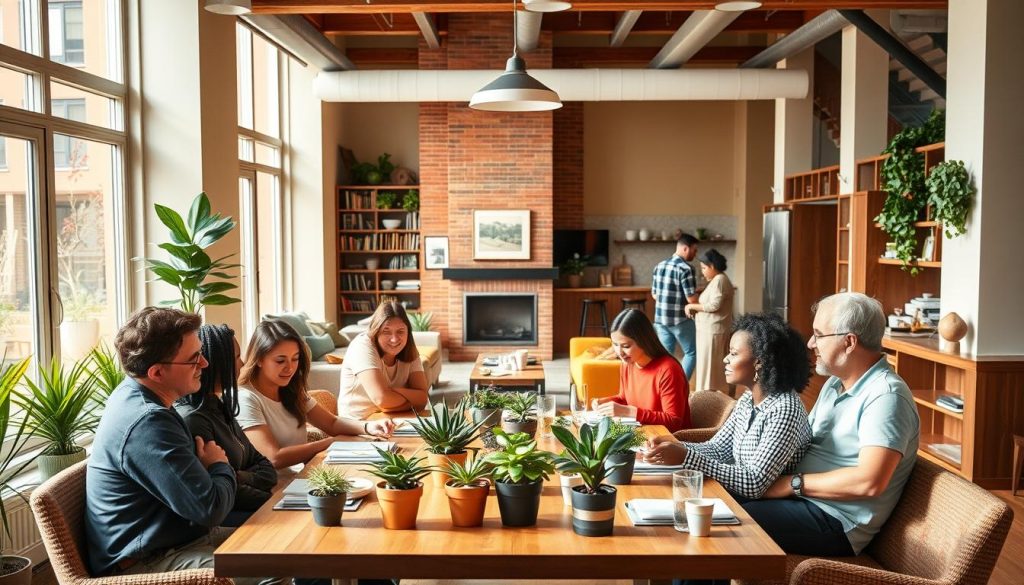
Technology is changing co-living, making our homes smarter and more connected. It brings comfort and builds community. In Singapore, where co-living is popular, tech is key.
Smart home tech leads this change. Co-living places now have:
These features save energy and make life easier. They meet the needs of today’s tech-loving residents.
Apps also play a big part in co-living. They help us stay in touch and plan together. With these apps, we can:
Apps make it easy to connect and organize. They help create a lively community for everyone.
Modern living brings us to a place where sustainability is key. Eco-friendly co-living shows our values and commitment to a better environment. It’s about living in harmony with nature and improving our lives and communities.
Many co-living spaces are working towards a greener future. They use smart ways to reduce harm to the environment. Here are some examples:
Co-living spaces offer more than just amenities. They inspire us to live greener. By adopting sustainable habits, we build a community that cares for the planet. Here’s how we can make a difference:
The co-living model is a beacon of opportunity in Singapore. It attracts different groups, including young professionals and digital nomads. These spaces offer community and affordability.
Young professionals want flexible living that fits their busy lives. The gig economy and remote work make co-living popular. It can cut housing costs by up to 30%.
In cities, co-living helps people network and grow. It’s a smart choice for those watching their budget.
Digital nomads and students love co-living. It lets them move freely but stay connected. Students enjoy making friends and saving money in shared spaces.
Co-living enriches their lives, blending education with social interaction. It’s a great way to learn and grow.
The co-living sector is growing but faces many challenges. One big issue is dealing with unclear co-living regulations. These rules can make it hard to know what to include in contracts and how many people can live there.
This confusion can scare off investors. It makes it harder for co-living spaces to grow.

Co-living laws are changing but not always clearly. This makes it tough for our ventures to operate freely. The lack of clear rules can stop new companies from joining.
It’s important for operators to keep up with these changes. This way, they can meet the need for affordable housing while following the rules.
The market is very competitive. New companies are always coming in, making it hard for co-living spaces to stand out. To succeed, they need to offer something unique and keep costs low.
In places like Berlin, London, and New York, the competition is fierce. But, in Vietnam, the co-living sector is growing fast. To do well, it’s key to form partnerships and offer something special.
Looking at these challenges, it’s clear that co-living faces big hurdles. But with determination and the ability to adapt, it can keep growing. Despite the challenges, co-living has a bright future.
Exploring global co-living models shows us many successful strategies. These include community-focused designs, a variety of services, and good management. By using these ideas in Singapore, we can create co-living spaces that fit our culture and economy.
Co-living spaces worldwide focus on building community and belonging. They attract people aged 18 to 34, who often stay for one to four years. These spaces offer diverse services to meet everyone’s needs, making everyone feel valued.
In big cities, high rental costs make co-living appealing. For example, sharing a unit can save $500 a month compared to renting alone. This shows the value of co-living in saving money.
Adapting these strategies for Singapore means focusing on community and tailored services. Using technology for easy communication and adding amenities for different interests can improve living. Co-living can also be more profitable, earning up to 50% more than traditional renting.
For more insights, we can look at preparing for growth and future trends in co-living. These ideas help us create co-living spaces that are relatable and affordable for our residents.
| Co-Living Model | Key Features | Target Demographic | Average Cost Savings |
|---|---|---|---|
| The Citylifer | Community clusters, shared amenities | Young professionals | $500 per month |
| Common | Flexible leases, technology integration | Students and digital nomads | $300 per month |
| WeLive | Fully furnished spaces, regular community events | Young couples and families | $400 per month |
The co-living scene in Singapore is set to boom. We’ll see more co-living options that fit the needs of our growing city. TAP’s latest addition, their 132nd property, shows this growth with 76 co-living rooms. These rooms have seen a leasing rate of almost 90%, starting at $1,850 a month.
This makes co-living a cheaper choice than a one-bedroom apartment in the city center.
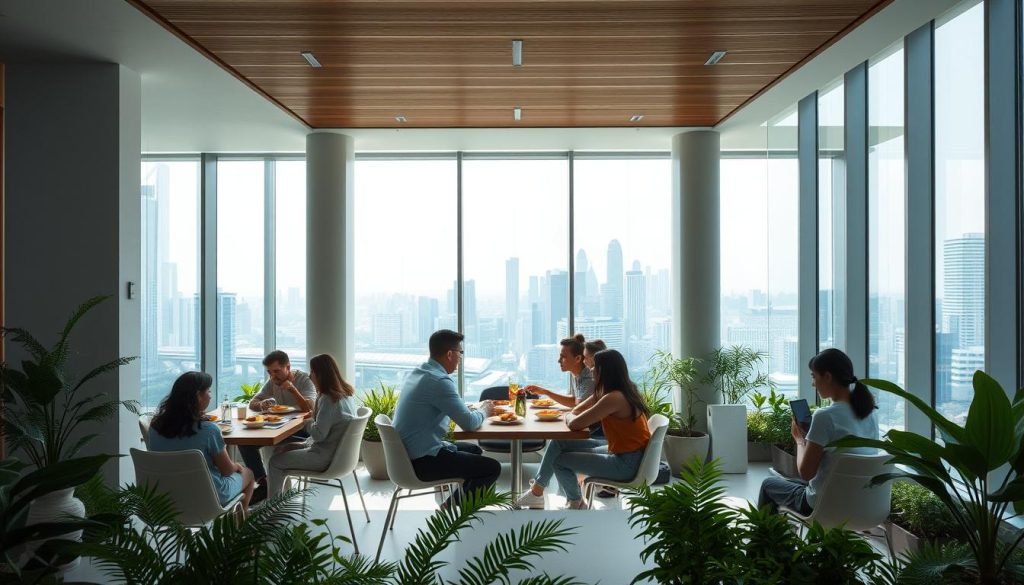
Experts say the co-living market will keep growing. This is because more young people want to live together. About 75% of TAP’s users are under 34, showing a big interest in shared living.
As the world’s population grows, with more people living in cities, co-living will become even more important. It offers a cost-effective and community-focused housing option.
New ideas in co-living will change how we live in cities. We might see places that combine homes, fun spots, and workspaces. TAP’s work in Hafary House shows the possibility of such spaces.
As technology advances, co-living will likely get even better. We could see co-living spaces that meet our community’s needs even more, possibly with occupancy rates over 95%.
If you’re interested in the co-living market in Singapore, check out this article on its growth.
We know how important a clean home is, even more so in co-living spaces. Our cleaning services are made for both residents and property managers. We’re excited to offer new promotions to make your co-living space better. With flexible options, we ensure your shared space stays clean and welcoming.
Want to know about our cleaning service deals? Reach out to us on WhatsApp at +65 9434 1391. Our promotions are affordable and effective, so you get great cleaning without spending too much. Ask about our co-living packages and see how we can make your space shine.
We value transparency and customer happiness. That’s why we offer a no-obligation quote for our services. Whether you need a one-time deep clean or ongoing maintenance, we’re here for you. Let us help keep your co-living home clean and beautiful. Contact us to see how our promotions can help you!
Co-living is a new way to live where you have your own space but also share areas with others. It’s about building a community and working together.
Co-living spaces have cool shared areas and include all your utilities. You can choose how long you stay and there are activities to bring people together.
Living in a co-living space can save you money. It’s great for making friends and finding work. It’s perfect for young people and those moving to a new country.
In Singapore, people want to save money and feel part of a community. Co-living offers this with flexible stays and a chance to meet others.
Tech makes co-living better with smart homes and apps for talking to others. It also makes life easier and more comfortable.
Co-living places often use green tech and encourage recycling. They also have gardens to help the planet. It’s all about living responsibly.
Young professionals, digital nomads, and students like co-living. They want a place to live that’s affordable and has a community feel.
Starting a co-living space can be tough. You have to deal with rules, competition, and what people want. It’s all about meeting expectations.
Good co-living places focus on community and offer different things. They also listen to their residents. These lessons can help in Singapore.
Co-living in Singapore is growing. More young people will want to live this way. New ideas will mix homes, work, and social spaces.
Nestled in the bustling Singapore, Livhola is a co-living space crafted for those who seek comfort, convenience, and community.
© 2024 Livehola. All Rights Reserved