

In Singapore, co-living spaces are changing how we live and interact. Over 30% of residents now choose shared living. It’s vital to keep these spaces safe.
As we make urban living in Singapore better, safety is key. We look at different safety aspects in co-living. Our spaces have top-notch security and a strong community feel.
Want to know more about our safe co-living options? Contact us today on WhatsApp +6594341391. Your safety and comfort are our top priorities.
Co-living is gaining popularity in Singapore. People want affordable, flexible, and community-focused housing. This new trend mixes privacy with communal interaction.
The high cost of living in Singapore has led to a rise in co-living. Many new co-living spaces are popping up. Joshua Goh, CEO of a leading co-living operator, says, “Co-living is more than just a place to live. It’s about building a community.”
“Co-living is the future of housing in Singapore, a more sustainable and community-driven option.”
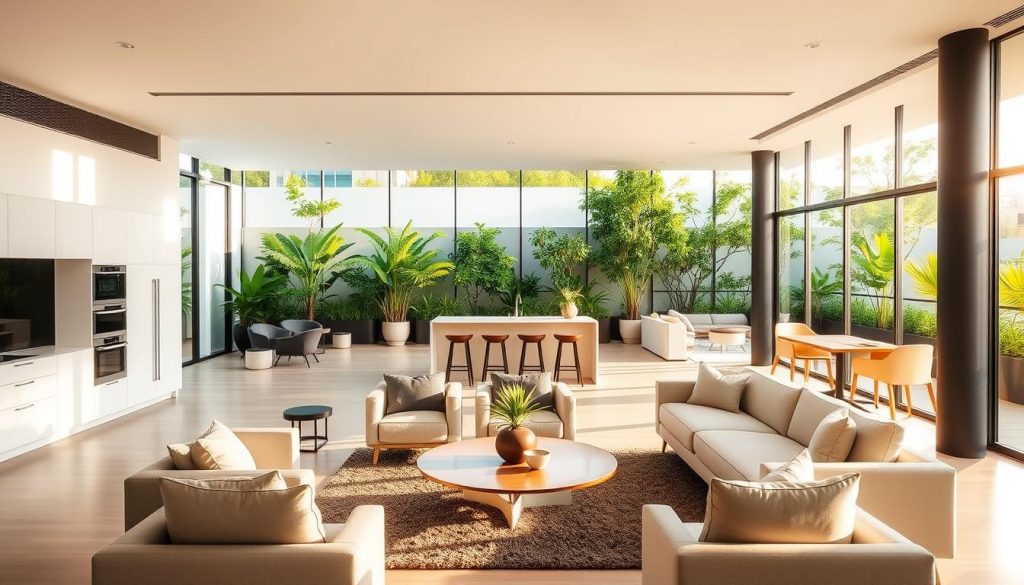
Singapore’s co-living scene is known for its modern amenities and strategic locations. These spaces have top-notch facilities like co-working areas, gyms, and shared kitchens.
Some top co-living areas in Singapore are:
Co-living spaces in Singapore offer many amenities, such as:
As co-living grows, we’ll see more innovative and community-focused projects in Singapore.
Safety is key in co-living in Singapore. As more people choose co-living, they want safe places to live. At Livhola, we focus on safety to make living comfortable and secure.
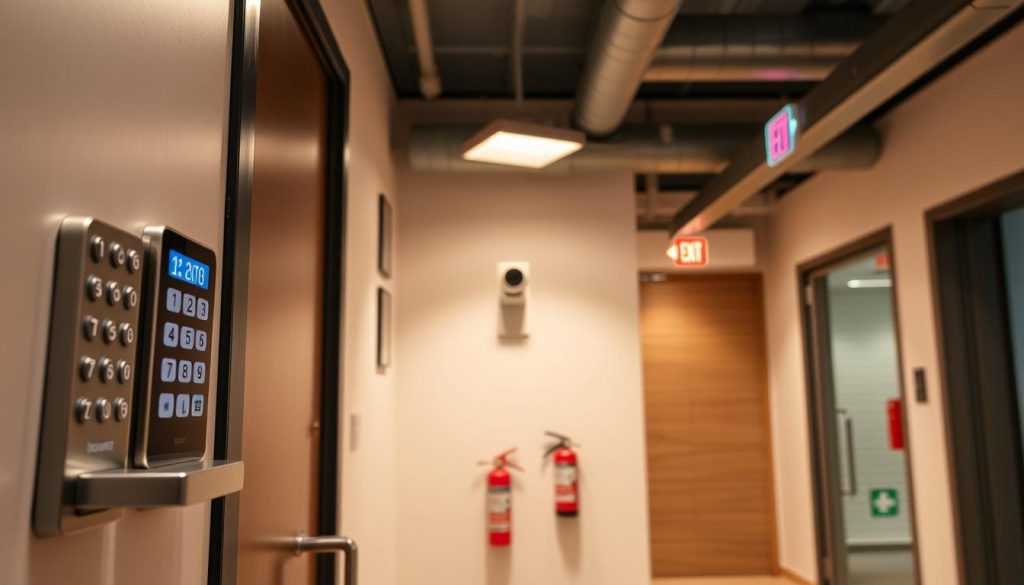
A strong physical security system is the first defense. This includes:
Modern co-living places in Singapore have advanced access systems. These systems make sure only the right people can get in, making it safer.
CCTV cameras in common areas help keep threats away. It’s important to keep these systems working well.
In today’s world, digital security is just as important. This means keeping Wi-Fi safe and protecting personal info.
“A secure digital environment is just as important as physical security in co-living spaces.”
Residents also help keep co-living spaces safe. This means looking after your stuff, following rules, and telling management if something seems off.
By having good physical security, digital safety, and personal safety habits, co-living in Singapore can be a safe place to live.
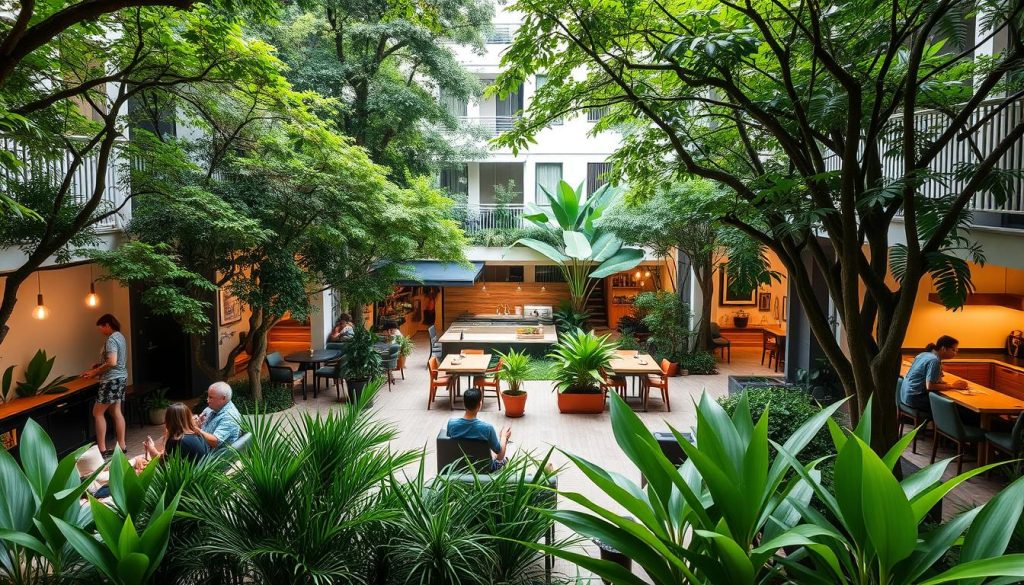
When looking at co-living spaces in Singapore, it’s key to check the community. This ensures a safe and comfy place to live. We need to look at a few important things.
First, think about who manages the space. Professional management means a team handles things. They keep the place safe and run things smoothly.
Peer-to-peer setups, where people manage together, build community. But, you might have to get involved more in running things.
It’s important to know how the space checks people out. Good co-living places do thorough checks. They look at background, work history, and past rentals.
Community rules are key for peace and safety. Look for clear rules that everyone can follow. These rules help keep things respectful and safe.
Rules might cover things like guest visits and noise. They help avoid problems and keep everyone safe.
Knowing how to handle disagreements is also important. A fair way to solve problems makes living better.
By looking at these points, we can choose a co-living space wisely. We want it to be safe, comfy, and have a good community.
Living in co-living spaces means keeping your personal area safe and comfortable. Many places in Singapore have advanced security to help with this.
The lock on your door is key to keeping your space secure. Modern co-living spaces use smart locks for better security and ease.
Smart locks offer keyless entry, biometric checks, and remote monitoring. They beat old-fashioned locks in many ways. For example, some let you give guests access for a set time, making things easier and safer.
Window safety is vital in tall buildings. Co-living spaces often have locks and stops on windows to stop them from opening without permission.
Keeping your valuables safe is just as important as your room’s security. Using a safe or a secure box in your room adds extra protection for your important stuff.
Even in common areas, keeping your stuff private is key. Being careful with your belongings and personal info in shared spaces helps avoid unwanted access or data loss.
| Security Measure | Description | Benefit |
|---|---|---|
| Smart Locks | Electronic locks with keyless entry and biometric authentication | Enhanced security and convenience |
| Window Locks | Safety locks on windows to prevent unauthorized opening | Prevents accidents and unauthorized access |
| Safe or Secure Storage | Secure box or safe within the room for valuables | Protects important documents and valuables |

Smart devices are everywhere in our co-living spaces, making digital security a big deal. Keeping our digital lives safe is key for a good living experience in Singapore’s co-living communities.
Securing our Wi-Fi is the first step against digital threats. We need to use strong passwords and encrypt our network with WPA3. Also, keep our router’s firmware up to date to fix security holes.
Protecting our personal data is very important in shared living spaces. Be careful with public computers or shared devices. Always log out and avoid sensitive transactions. A Virtual Private Network (VPN) helps when using public Wi-Fi.
More IoT devices mean more risks. To manage this, we should:
Good IoT management means watching device activity and knowing what data they send. As an expert says, “IoT security is not just about our data. It’s also about stopping these devices from being used in big cyber-attacks.”
“The IoT is a complex ecosystem that requires a complete security approach.”
Online shopping means we need to secure our deliveries. Choose secure delivery options that need a signature. Using delivery lockers can also help.
By following these digital security tips, we can make our co-living spaces in Singapore much safer and more private.
Living in co-living spaces in Singapore means we must focus on safety. These places have shared areas and need a solid plan for emergencies. This ensures everyone’s safety.
Singapore has strict fire safety rules. Co-living spaces must follow these to keep residents safe. They need working fire alarms, fire extinguishers, and regular drills.
“Fire safety is not just a rule, but a duty to protect our residents,” says a top co-living operator in Singapore.
Co-living spaces need a plan for medical emergencies. They should have first aid kits, trained responders, and clear steps for serious cases.
Singapore faces natural disasters, and co-living spaces must be ready. They need plans for severe weather and clear evacuation steps.
Co-living spaces should get ready for bad weather. They should secure outdoor items and tell residents how to stay safe.
Co-living spaces need clear evacuation plans. They should have meeting spots and make sure everyone knows the exit routes.
By focusing on emergency readiness, co-living spaces in Singapore can keep residents safe. It’s a team effort involving everyone.
Co-living residents in Singapore have rights and legal protections. Knowing these can make their living experience better.
In Singapore, co-living residents are seen as tenants. They are protected by the law. We’ll cover key rights, like those for rental agreements and eviction notices. For example, the Brickhouse website has useful info on tenant rights.
Tenants have the right to a written agreement. This agreement should list the rent, how long they’ll stay, and who does what.
Security deposits are common in co-living. Singapore law says landlords must return the deposit after the tenancy ends. This is if there’s no damage or unpaid rent.
| Deposit Protection | Description |
|---|---|
| Security Deposit | Typically 1-2 months’ rent, refundable at the end of tenancy |
| Deposit Refund | Must be returned within 14 days after tenancy ends, minus any damages |
Insurance is key for co-living residents. It protects their belongings and liability. Look for options that cover personal property and liability.
This insurance covers loss or damage to personal items. This could be due to theft, fire, or other unexpected events.
Liability insurance helps if residents are blamed for damages or injuries to others in the co-living space.
“Having the right insurance coverage can provide peace of mind and financial protection for co-living residents.”
By knowing and using these legal protections, co-living residents in Singapore can have a safer and more enjoyable living experience.
Creating a strong, supportive community is key for co-living spaces in Singapore. It ensures residents’ safety and well-being. A united community makes living better and keeps everyone safe.
It’s important to have good ways to talk about safety. Residents should be able to report incidents or concerns easily. This can be through mobile apps or community meetings.
Neighborhood watch programs boost safety in co-living spaces. They make residents look out for each other. This builds a sense of community and watchfulness.
Cultural sensitivity is vital in Singapore’s diverse co-living spaces. Residents should respect different cultures and backgrounds. This makes the community inclusive and harmonious.
Respecting personal space is essential in co-living environments. Residents should be considerate of noise levels, shared spaces, and personal belongings.
Creating safety protocols that include everyone is important. This means considering the needs of residents with disabilities. It also means having emergency plans that work for everyone.
Co-living spaces in Singapore mix community living with personal space. They offer a safe and supportive place to live. With the right safety steps, these places can be a secure home for everyone.
We focus on making our co-living spaces safe and welcoming. We encourage you to check out our community living. For more details on promotions, rates, and to book a viewing, call us at +6594341391 on WhatsApp.
Secure co-living helps build a supportive community in Singapore. We’re excited to have you join our safe and inclusive space.
Living in a co-living space in Singapore requires careful thought. You should look at physical security, digital safety, and personal safety tips. These steps help make sure you’re safe.
To check if a co-living community in Singapore is safe, look for a few things. Check if they have professional management and background checks. Also, see if they have rules that help keep everyone safe.
To keep your space safe in a shared place, think about a few things. Use smart locks for your room. Keep your valuable things and personal items safe. Also, respect your privacy in shared areas.
To keep your digital life safe in a co-living space, follow some tips. Make sure your Wi-Fi is secure. Protect your data in shared areas. And, think about the safety of your smart devices.
In a co-living space, knowing about safety is key. Learn about Singapore’s fire safety rules. Know the plan for medical emergencies and natural disasters. This way, you’re ready for anything.
As a co-living resident in Singapore, you have rights. Know your rights under Singapore law. Understand deposit protection and refund policies. Also, look into insurance options for you and your stuff.
To help make a co-living community safe and supportive, do a few things. Use good communication for safety issues. Join neighborhood watch groups. And, respect everyone’s culture in your community.
If you have a problem with your housemates, follow the rules. Look at your community’s guidelines and house rules. They should help you solve problems peacefully.
Nestled in the bustling Singapore, Livhola is a co-living space crafted for those who seek comfort, convenience, and community.
© 2024 Livehola. All Rights Reserved