
In Singapore’s thriving community living spaces, keeping things clean and healthy is key. With more coliving spaces popping up, the danger of pest problems is growing.
Did you know one pest problem can cause big financial losses and harm your reputation? At Livhola, we know how vital good pest management is in community living spaces. That’s why we provide top-notch coliving maintenance solutions to safeguard your community.
To find out more about our coliving pest control services and how we can keep your space pest-free, reach out to us. You can contact us via WhatsApp at +6594341391.
Coliving spaces are at high risk for pest problems. This is because many people share kitchens, bathrooms, and living areas. This setup makes it easier for pests to spread.
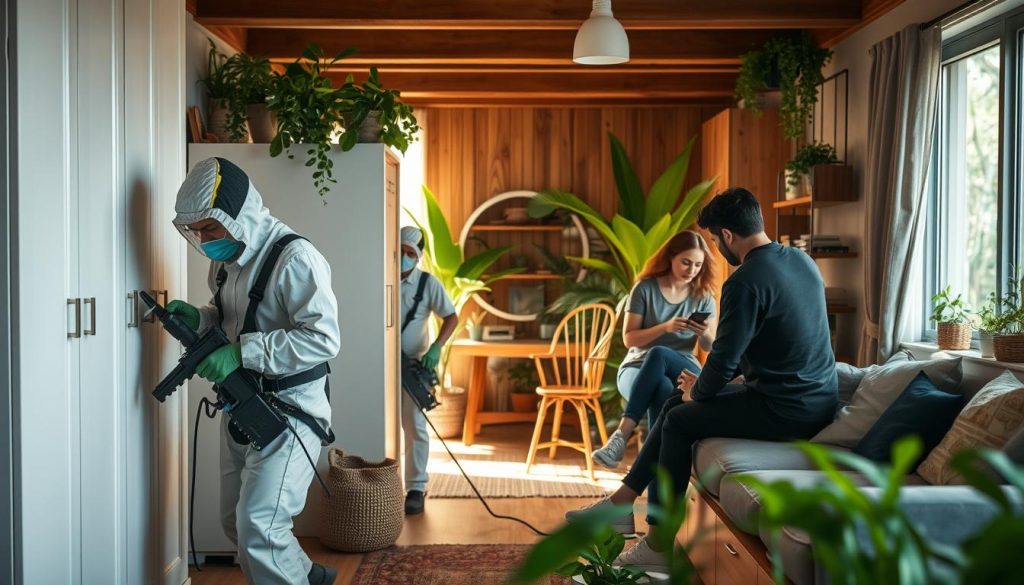
Coliving spaces face more pest problems because of the many people living together. Pests love places with plenty of food and shelter. This makes coliving spaces perfect for them. Also, pests can easily move between units because of the close living quarters.
“Pest infestations can quickly get out of hand in coliving spaces if not dealt with fast,” a pest control expert notes. “Coliving operators need to use effective pest management to stop infestations before they start.”
Pests can really hurt the quality of life in coliving spaces. Infestations can cause health problems, discomfort, and stress. This can ruin the community living experience. Also, pest issues can harm a coliving operator’s reputation and lead to financial losses.
To keep a healthy and comfy living space, effective pest management is key. Understanding the challenges of pest management in coliving spaces helps operators prevent infestations. This ensures a positive living experience for everyone.
Singapore’s coliving spaces are close together, making them prone to pests. People living in these shared places often struggle with pest control. This can really affect their living experience.
Cockroaches are a big problem in coliving kitchens. They like food, moisture, and the warmth of appliances. Proper food storage and disposal help stop cockroach problems.
Bed bugs are another pest in coliving spaces, mainly in bedrooms. They feed on human blood and can cause discomfort and allergic reactions. Early detection is key to managing bed bug infestations.
Rodents, like rats and mice, can also be found in coliving environments. They pose significant health risks, including the spread of diseases like leptospirosis. Sealing entry points is a critical step in preventing rodent infestations.
| Pest | Common Attraction | Health Risks | Prevention Tips |
|---|---|---|---|
| Cockroaches | Food residue, moisture | Disease transmission, allergies | Cleanliness, proper food storage |
| Bed Bugs | Human blood | Discomfort, allergic reactions | Regular inspections, using mattress covers |
| Rodents | Food, shelter | Disease transmission (e.g., leptospirosis) | Sealing entry points, removing clutter |
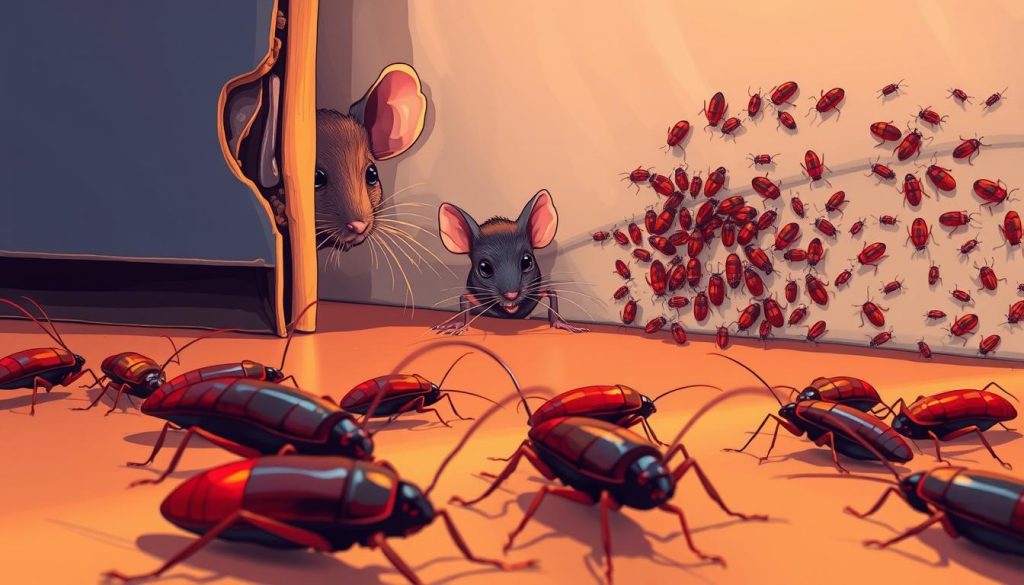
Understanding pests’ habits and habitats is key to managing them in Singapore’s coliving environments. By taking preventive steps and staying alert, residents can lower the risk of pest problems.
Pest infestations in shared living spaces are a big problem. They can harm our health and make living uncomfortable. We need to tackle these issues fast to keep our homes safe and healthy.
Pests can cause serious health problems. Some major issues include:
Cockroaches and their waste can trigger respiratory issues and exacerbate allergies. This is a big worry for people with asthma.
Rodents and pests can spread diseases to humans. Their urine, feces, and saliva are carriers. In shared living, this can cause disease outbreaks.
Dealing with pests can really affect our minds. It can cause stress, anxiety, and discomfort. Pests make us feel like our space is invaded.
Pest infestations can also cause social tensions. People might argue over who should handle pest control. They might also disagree on the cleanliness of shared areas.

Coliving communities can greatly reduce pest problems with good preventive steps. Understanding these steps helps everyone keep the place clean and pest-free.
Keeping things clean is key to avoiding pests. This means regular cleaning, proper waste disposal, and keeping common areas neat. By following these rules, communities can lower pest risks. For more tips, check out our pest control guide.
Storing food right is important in shared kitchens to avoid pests. Keep food in sealed containers, clean up spills fast, and take out trash often. These steps help prevent pests.
Regular checks and upkeep are essential. Look for leaks, cracks, and crevices. This keeps pests out by keeping the place in good shape.
Sealing entry points is a must. Check the property often for any openings pests could use. Sealing these spots keeps pests away.
With these steps, coliving communities can cut down pest problems. This makes living there healthier and more comfortable for everyone.
Our pest control services are made for coliving spaces in Singapore. They ensure a healthy place to live. With more coliving communities, the need for special pest management grows.
Specialized pest management for coliving has many benefits. It includes targeted treatments for common pests in shared spaces. Our services are discreet and non-intrusive, so they don’t disrupt your day.

Our trained technicians will inspect for pests during a treatment. They’ll find any activity or conditions that attract pests. Then, they’ll use a customized treatment plan with traps, baits, and exclusion methods.
The need for professional pest control varies. It depends on the pest type, infestation severity, and community needs. Usually, regular maintenance treatments are advised to stop pests from coming back.
Coliving communities should think about the long-term cost savings of pest control. While it might cost a lot upfront, it can save money later by avoiding bigger problems.
Conscious communities are now using eco-friendly pest control methods. This is because we’re more aware of how our choices affect the environment. We need pest control that’s good for the planet and works well.
Using natural deterrents is a great way to control pests without harming the environment. These methods are also budget-friendly.
Certain essential oils, like peppermint and lavender, can keep pests away. Using these oils in diffusers or mixed with water as sprays is effective. Plants like citronella and lemongrass can also repel pests in gardens or indoor pots.
DIY traps made from household items are another good option. For example, a jar with bait and a funnel can trap rodents or cockroaches. Sealing entry points with eco-friendly materials like caulk or steel wool also helps prevent pests.
For bigger pest problems, non-toxic treatments are available. Diatomaceous earth, a powder made from fossilized algae, dehydrates and kills pests. Boric acid, a natural insecticide, is another option.
| Treatment Option | Description | Effectiveness |
|---|---|---|
| Diatomaceous Earth | Powder that dehydrates pests | High |
| Boric Acid | Natural insecticide | High |
| Essential Oil Sprays | Repels pests with natural oils | Moderate |
When choosing eco-friendly pest control, we must balance effectiveness with environmental safety. It’s important to pick methods that work well but are also safe for the environment and people.
By using these eco-friendly pest control methods, conscious communities can live in a healthier, more sustainable way. It’s about making choices that help our community and the planet.
Keeping coliving spaces pest-free is a team effort. Both residents and management must work together. This teamwork is key to a clean, healthy, and comfy living space for all.
Residents are key in stopping pests. They must keep things clean, store food right, and tell management about pests. Simple steps like cleaning up after meals and not leaving dirty dishes out can help a lot.
Management must keep the space clean and pest-free. They do this by checking regularly, treating pests when needed, and teaching residents how to prevent them. They also need a clear pest control plan and share it with everyone.
Key management responsibilities include:
It’s important to have clear ways to report and fix pest problems fast. Residents should know how to report pests, and management should act quickly. This could be through a special channel or community meetings.
Creating a community that works together against pests is important. By teaming up, residents and management can keep the space pest-free. This means doing community clean-ups and thanking those who help keep it clean.
In Singapore, coliving spaces must follow strict pest control rules. This ensures a healthy living space for everyone. The National Environment Agency (NEA) oversees these rules, helping both coliving operators and tenants.
Coliving operators in Singapore must follow the NEA’s pest control guidelines. They need to keep the space clean, check for pests regularly, and teach residents about pest prevention. The NEA offers resources and support to help manage pest problems.
| Guideline | Description | Frequency |
|---|---|---|
| Pest Control Checks | Regular inspections for signs of pests | Quarterly |
| Waste Management | Proper disposal of waste to prevent pest attraction | Daily |
| Resident Education | Informing residents about pest prevention practices | Ongoing |
Tenants in coliving spaces have the right to a pest-free environment. If pests are found, tenants can report them to their landlords or property managers. The NEA also offers support and resources for tenants dealing with pest issues.
Keeping pests away is key for a healthy coliving experience. We must understand the challenges of pest control in coliving spaces. By taking steps to prevent pests, we can keep our community safe.
Regular checks, proper food storage, and managing waste are vital. We need to stay clean and fix any water leaks or clogged drains. This helps prevent pests from showing up.
If pests do appear, we should act fast and tell the owner right away. This way, we can all enjoy a comfortable living space. For more details on our community and pest control, contact us.
Common pests include cockroaches, bed bugs, and rodents. These are often found in shared spaces due to the close living quarters.
To prevent pests, set cleanliness standards and store food properly. Regular maintenance and inspections are also key.
Pests can cause respiratory issues and spread diseases. They can also affect mental health and lead to social problems.
The frequency of pest control services varies. It depends on the pest type and infestation severity. We can help find the right schedule for your community.
Yes, we offer natural deterrents and non-toxic treatments. DIY traps and barriers are also effective and eco-friendly.
Both residents and management must work together. They should prevent pests, report issues, and support each other in pest control efforts.
The National Environment Agency (NEA) has guidelines for coliving operators. We can help you understand and follow these regulations.
It’s important to have clear ways to report pest issues. Residents should tell management, who can then act quickly to solve the problem.
Our services are designed for coliving communities. They offer effective pest management that doesn’t disrupt daily life.
Contact us on WhatsApp at +6594341391. We can discuss your pest control needs and schedule a consultation.
Nestled in the bustling Singapore, Livhola is a co-living space crafted for those who seek comfort, convenience, and community.
© 2024 Livehola. All Rights Reserved