
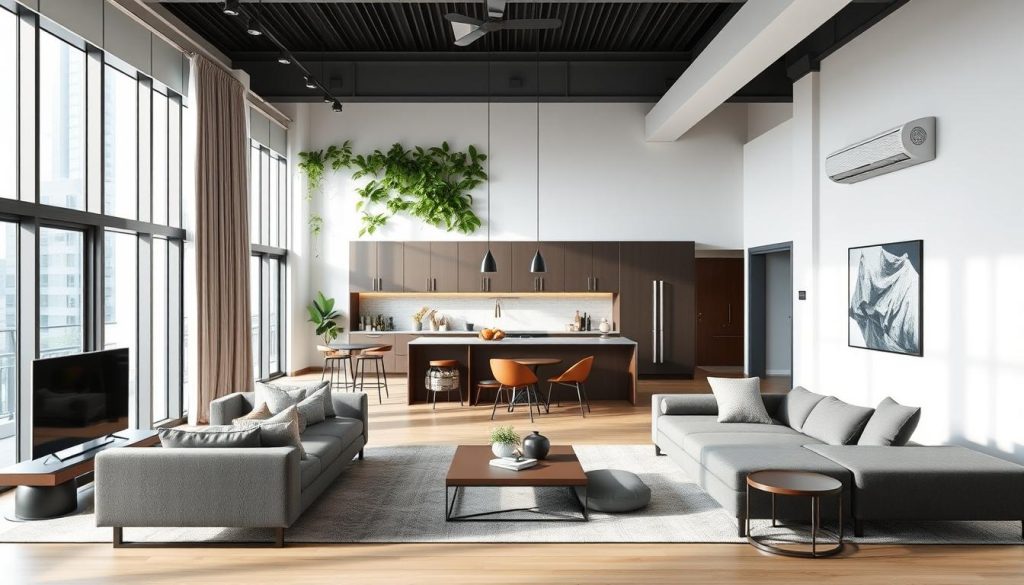
Are you a landlord in Singapore looking to boost your rental income? Co-living spaces are changing the housing game. They offer benefits for both tenants and landlords.
Co-living means people share living areas in a community. It builds a community feeling and brings attractive financial benefits for landlords. By going for co-living, landlords can meet the growing need for shared living spaces.
Our company guides landlords through the co-living market. Want to know more about our promotions and community living spaces? Contact us via WhatsApp at +6594341391.
Co-living is becoming popular in Singapore, changing how we see shared living spaces. It’s important to know what co-living is and why it’s attracting both landlords and tenants.
Co-living means living in a shared space where everyone has their own bedroom. But, you share areas like kitchens, living rooms, and workspaces. It’s about building a community and making living more affordable and flexible. Co-living operators like Hmlet and Coliwoo are gaining market share in Singapore, showing a new way to think about housing.
In Singapore, co-living is all about flexible, short-term leases and fully furnished homes. Young professionals and expats are looking for convenience, community, and the freedom to move easily. “Co-living spaces are not just about saving money; they’re about creating a lifestyle,” say experts.
Landlords in Singapore are choosing co-living for its higher rental yields compared to traditional leasing. It appeals to young professionals and expats, helping landlords earn more. Co-living also cuts down on empty spaces and brings in a steady income, making it a smart choice for property owners.
To succeed in Singapore’s rental market, landlords need to know the latest trends and demand patterns. The market has changed a lot, with co-living spaces becoming more popular.
The pandemic changed how people look for rentals, with more interest in co-living spaces. Our marketing strategies show that co-living spaces are appealing because they offer community and flexibility.

Tenants in Singapore come from all walks of life, including expatriates, students, and young professionals. Knowing what they want is important for making more money from rentals. Experts say that co-living spaces are in demand because they are affordable, offer a sense of community, and are flexible.
Areas like Orchard Road, Tiong Bahru, and Tanjong Pagar are seeing more co-living developments. By analyzing the competition in these areas, landlords can find ways to stand out and attract tenants.
The financial perks of co-living for property owners are clear in Singapore’s competitive rental scene. It’s a strong choice compared to traditional leasing.
Co-living companies pay more for properties that fit their needs. This leads to higher rental yields for property owners. In Singapore, where making money is key, this is very appealing.
Co-living meets the demand for shared living, keeping vacancy rates low. This means a steady income stream for property owners. It also lowers the risk of empty properties.
Co-living makes the most of unused space, turning it into useful living areas. This boosts the property’s value and return on investment (ROI).
Let’s look at the financial gains of co-living in Singapore:
| Property Type | Rental Yield | Vacancy Rate | Annual ROI |
|---|---|---|---|
| Traditional Leasing | 3.5% | 10% | 8% |
| Co-living Model | 5.5% | 5% | 12% |
Co-living clearly outperforms traditional leasing. It offers better rental yields and vacancy rates, leading to a higher ROI.
The co-living model is changing property management in Singapore. It makes things more efficient for landlords. One big plus is the easier property management process.
Co-living companies are experts at managing properties. They handle maintenance, repairs, and utilities. This lets landlords focus on their main business.
Co-living operators have strong tenant screening methods. They make sure tenants are trustworthy. This lowers the risk of bad tenants and protects landlords’ investments.
Landlords can cut down on paperwork by using co-living companies. They handle rent, lease renewals, and talking to tenants. This saves a lot of time and effort.
Singapore landlords can choose to outsource to co-living companies. As 
Using co-living operators makes investing easier. It boosts profits and improves property quality. This is a win-win for everyone.
Co-living is changing how landlords invest in Singapore’s crowded cities. It helps them face challenges and find new chances in the competitive housing market.
Co-living can help solve the problem of expensive housing. By sharing spaces, landlords offer cheaper homes without losing quality. This helps both tenants and landlords by attracting more people.
Co-living spaces meet the changing needs of expats and locals. They have modern features, flexible leases, and a community feel. This makes them appealing to those looking for a lively place to live. Landlords benefit by keeping tenants happy and around longer.
Different areas in Singapore offer unique benefits for co-living. For example, places near work can attract young professionals, while family areas are better for families. By knowing the local needs, landlords can make their spaces more appealing and profitable.
Co-living spaces are adding green features, attracting eco-friendly tenants. These features also help the environment. Landlords save money and increase their property’s value by using energy-efficient and eco-friendly designs.
| Benefits | Description | Impact on Landlords |
|---|---|---|
| Addressing Housing Affordability | Shared living spaces offer affordable housing options | Increased tenant base and occupancy rates |
| Meeting Evolving Lifestyle Needs | Modern amenities and flexible lease terms | Improved tenant satisfaction and retention |
| Capitalizing on Location Advantages | Tailoring co-living spaces to local demographics | Maximized occupancy and rental income |
| Sustainability and Green Living | Energy-efficient systems and eco-friendly features | Reduced operational costs and enhanced property value |
Improving property value through co-living requires modernization, building a community, and strategic upgrades. This method draws in top tenants. It also boosts the property’s appeal and value.
Co-living spaces get modern and strategic upgrades for comfort and function. Smart home features, energy-saving appliances, and modern fixtures raise the property’s value. Design choices like open-plan living and communal areas also attract tenants.

Building a community is key in co-living. Hosting events and activities helps create a strong community. A well-run community leads to good reviews and more demand, increasing the property’s value.
Well-kept and well-managed co-living properties can grow in value over time. Location, property condition, and demand for co-living spaces matter. Focusing on these can help landlords get the most from their investment.
The co-living market in Singapore is growing fast. It’s important for landlords to know how to manage risks. Good risk management is essential for making co-living investments profitable.
Diversifying our tenant base is key to managing risks. By attracting different groups like professionals, students, and expatriates, we spread out the risk. This helps keep our occupancy rates steady and rental income stable.
Effective turnover management is also critical. We use good tenant screening and quality amenities to keep turnover low. This way, we avoid long vacancies and save on turnover costs.
Insurance and legal matters are important for risk management. We make sure our properties are well-insured against damage or liability. Following Singapore’s laws is also a must.
Following URA and HDB rules is essential for co-living operators in Singapore. We make sure our properties meet all the necessary regulations. This helps us avoid legal problems.
To succeed in Singapore’s rental market, landlords need a solid co-living business model. This model includes several key parts. These parts work together to increase profits and ensure success over time.
Choosing the right property is key. We look for places with high demand, close to amenities, and good transport links. We also check the property’s condition, renovation possibilities, and if it meets local rules.
Good design is essential for a welcoming and useful living space. We aim to create a sense of community in shared areas while keeping privacy for residents. We include features like co-working areas, lounges, and kitchens.
Pricing must be competitive yet profitable. We study the local market to find the best prices. We consider location, amenities, and services offered.
Knowing our target audience is vital for marketing. We figure out what our future residents want and tailor our marketing to meet those needs.
We use digital marketing popular in Singapore. This includes social media, online ads, and influencer partnerships. These help us reach our audience well.
| Marketing Channel | Target Audience | Effectiveness |
|---|---|---|
| Social Media | Young Professionals | High |
| Online Advertising | Expats and Locals | Medium |
| Influencer Partnerships | Students and Professionals | High |

Technology is becoming key in co-living spaces. It offers new ways for landlords and tenants to connect. It makes living better and managing properties easier.
Smart home tech is now common in co-living. It includes voice-controlled lights, temperature control, and smart appliances. These features make life easier and save energy and money.
Digital tools are changing how co-living properties are run. Online platforms help with applications, payments, and maintenance. This makes things easier for landlords and tenants alike.
Good security is essential in co-living. Systems like biometric authentication, smart locks, and CCTV keep places safe. They give tenants peace of mind.
Singapore’s co-living market is growing fast. It’s seeing more PropTech solutions. Here are some popular ones:
| PropTech Solution | Description | Benefits |
|---|---|---|
| Smart Building Management | Integrated systems for managing building operations | Energy efficiency, reduced operational costs |
| Tenant Management Platforms | Online platforms for tenant applications and management | Streamlined processes, improved tenant experience |
| Security and Access Control | Advanced security measures including biometric authentication | Enhanced security, reduced risk of unauthorized access |
By using these technologies, co-living owners in Singapore can make living better. They can also run their properties more efficiently. This helps them stay ahead in the market.
In Singapore, co-living has brought many landlords success. Properties are now used and managed differently, leading to better investment returns.
A landlord in a central district turned an old property into a co-living space. This move boosted the property’s rental income by 30%. The renovation included modernizing the amenities and creating communal spaces, attracting young professionals.
“Co-living is not just a trend; it’s a response to the changing needs of the modern tenant. It’s about creating a community and providing a lifestyle.”
A new development included co-living units from the start. This smart move allowed the developers to capitalize on the growing demand for co-living spaces, increasing their rental income.
| Property Type | Rental Yield | Occupancy Rate |
|---|---|---|
| Traditional Rental | 3% | 80% |
| Co-living Space | 5% | 95% |
These case studies show key practices for co-living success. They include careful property selection, modern design and amenities, and effective management strategies. By adopting these, landlords can increase their earnings and foster a lively co-living community.
Co-living in Singapore is evolving, opening big opportunities for landlords. By embracing co-living, they can boost their finances and help build dynamic, communal living areas.
Managing a co-living property comes with its own set of challenges. It’s important to have effective strategies to keep things running smoothly. This ensures a good experience for everyone living there.
One big co-living challenge is dealing with tenant conflicts. Setting clear house rules and having a clear way to solve problems helps a lot. For example, regular community meetings can help solve issues before they get worse.
Keeping the property in good shape is key. A regular maintenance schedule helps avoid big problems. It also makes tenants happier.
Following the rules is very important in co-living. This means having the right lease agreements. For more on making a good lease, check out LivHola’s guide. Good paperwork protects everyone involved.
It’s important to build a community in co-living spaces. But, it’s also key to keep things professional. Hosting community events and keeping lines of communication open helps. This way, you can create a great living space without losing professionalism.
By tackling these challenges, landlords can make a co-living space that works well for everyone. It’s good for both the tenants and the property’s success.
Co-living brings many advantages to landlords in Singapore. It can lead to higher rental income and easier property management. This model is perfect for the growing need for shared living spaces among young professionals and expats.
Co-living does more than just increase your earnings. It also makes cities more sustainable and community-focused. If you want to see how co-living can boost your property, contact us at +6594341391 via WhatsApp.
Using co-living can make your property more valuable and attractive. This gives you an edge in Singapore’s fast-paced rental market. Let’s talk about how co-living can change your property investment game.
Co-living means people share living spaces and amenities. It helps landlords in Singapore by increasing rental income and reducing empty spaces. We can help you find co-living opportunities for your properties. Contact us at +6594341391 via WhatsApp to learn more.
Co-living is changing the rental scene in Singapore. It offers modern, community-focused living spaces for expats and locals. This is boosting demand for co-living, mainly in key areas.
Co-living offers financial gains for property owners. It increases rental income, cuts down on empty spaces, and uses space better. This way, landlords can earn more and have a steady income.
Co-living boosts property value by making it modern and appealing to communities. It also increases the property’s worth over time. By adding co-living features, landlords can make their properties more attractive and valuable.
The co-living model offers operational advantages. It simplifies property management, makes tenant screening easier, and reduces paperwork. By letting experts handle management, landlords can focus on earning more.
Landlords can reduce risks in co-living by diversifying tenants, managing space changes well, and considering insurance and laws. Following rules is key to avoiding problems.
A successful co-living model needs good property choices, design, pricing, and marketing. By planning these well, landlords can build a thriving community.
Technology can improve co-living properties by adding smart features, digital management, and security. These features add value, make things more efficient, and enhance the living experience.
Co-living management faces challenges like resolving conflicts, scheduling maintenance, and following rules. With the right strategies and a professional approach, landlords can solve these issues and create a peaceful community.
To start with co-living, contact us at +6594341391 via WhatsApp. We have promotions and community spaces to explore. Our team is ready to help you turn your property into a co-living success.
Nestled in the bustling Singapore, Livhola is a co-living space crafted for those who seek comfort, convenience, and community.
© 2024 Livehola. All Rights Reserved