

Did you know that private home rentals in Singapore have risen by about 30% in 2023? This is the biggest jump in 15 years. This growth is changing how we think about housing—co living is becoming more popular. It’s important for both those who run co living spaces and those who live there to know the rules.
Co living lets people enjoy a home while being part of a lively community. But, it’s key to follow the local laws to stay legal and make a good living space.
In this article, we’ll look at the main rules, rights, and duties of co living in Singapore. Whether you’re a tenant looking for community or an operator wanting to offer great living areas, knowing these rules is important. It helps us all enjoy the world of co living.
Co living is a new way to live in cities, mixing private areas with shared spaces. It encourages people to connect and build friendships. In Singapore, it’s becoming popular because of high costs and a need for community.
Co living balances personal space with community ties. People have their own rooms but share common areas like kitchens and lounges. These places follow rules to keep them clean and friendly, helping to save money and build friendships.
Now, 20 co-living companies manage over 9,000 rooms in Singapore. More rooms are coming, with 800 expected by Q3 2023. Companies like Cove manage hundreds of properties, serving over 105,000 tenants.
Co living is appealing to those who want to save money and have flexible stays. It’s perfect for young people who want to connect and feel part of a community. As cities grow, so will the need for these shared living spaces.

Understanding co living regulations is key to a peaceful shared living space. These rules guide both tenants and landlords, setting clear expectations. They help keep the community standards high and ensure safety and health.
Good co living rules make shared living better. They protect tenant rights and outline landlord duties, making everyone feel safe. Following these rules helps housemates work together, making the space welcoming for all.
Co living works best when freedom and responsibility are balanced. Rules help everyone live respectfully, enjoying their space while considering others. This balance keeps personal areas safe and builds a supportive community. It’s great for all, including seniors and those with lower incomes.
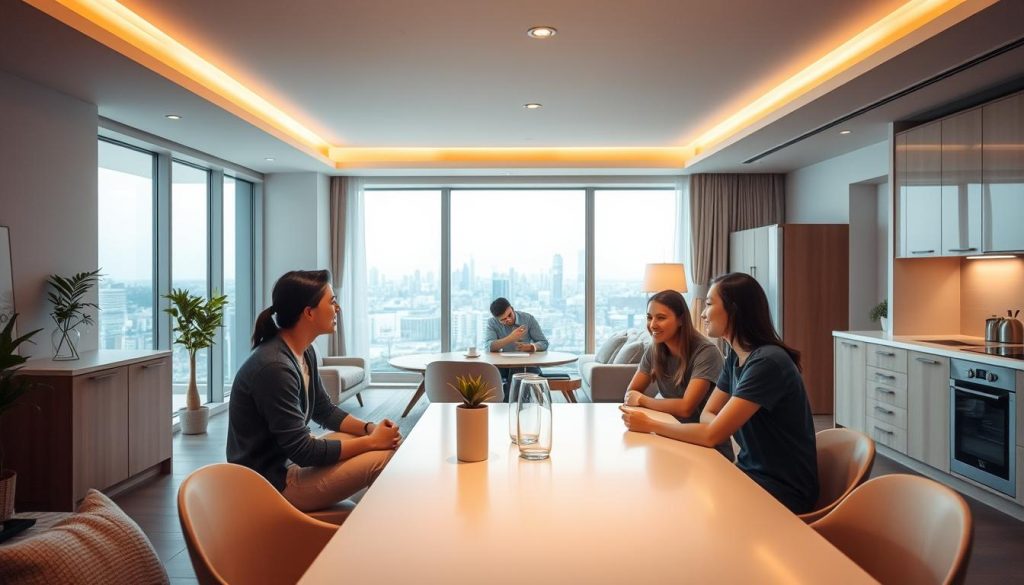
In Singapore, the co living scene is growing fast. It’s key for both those running co living spaces and those living there to know the laws. These laws help make sure places are safe and run well.
Things like licenses, permits, and health rules are important. They help make the co living world a great place to live.
Co living places need licenses and permits from the Urban Redevelopment Authority (URA). This is to make sure they are legal. It’s important for places to meet certain standards before people can live there.
Properties must be approved by the URA. This includes homes, serviced apartments, or hotels. Following these rules helps keep everyone safe.
Health and safety are top priorities in co living spaces. Rules cover things like fire safety and building codes. Properties must be at least 35 square meters to be suitable for living.
Also, many places now have more private bathrooms. This is because of COVID-19 rules. Following these rules helps keep everyone healthy and happy.
In Singapore, knowing the space needs for co living is key. It helps keep everyone comfortable, private, and connected. We follow shared accommodation laws to make sure spaces are well-planned. This not only meets legal standards but also makes living better for all.
There’s a rule for room sizes: at least 35 square meters. This rule helps everyone have their own space. It also makes living together more pleasant. Co living spaces are designed to encourage people to get along and work together.
Guidelines for shared areas are also vital. Spaces like kitchens, lounges, and outdoor areas help people connect. Communal living guidelines tell us how to keep these areas clean and safe. This way, we all enjoy a better living space and respect each other.

Learn more about the benefits of well-designed co living spaces in our article on promoting communal living.
When you move into a co-living space, you need to know the rules. Rent and lease agreements are key to understanding your rights and duties. It’s important to make sure the rules for shared living are clear to keep everyone happy.
As tenants, we have rights that make living together better. Knowing these rights helps avoid problems. They include safe living, upkeep, and clear rules for shared spaces.
Understanding our rights lets us speak up for ourselves. This way, we can solve any issues that come up in our co-living homes.
It’s important to read your lease agreement carefully. Here are some important parts to check:
Knowing these parts helps us understand our duties and rights. By following the rules, we can create a friendly and supportive place to live.

In co living, following safety rules is key to protect everyone and keep things running smoothly. We make sure our place is safe and follows the rules for living together well.
Fire safety is a top priority for co living places. We follow local laws by installing smoke alarms and making sure everyone knows how to get out fast. This makes our place a safe and secure home for everyone.
Having a good plan for emergencies is a must. It helps us all know what to do in a crisis. We practice drills and teach everyone about evacuation plans. This shows we care about safety and follow the rules for co living.
Keeping up with safety rules is important. We learn about new laws and tips to keep our place safe. For more info, we check out legal stuff about coliving.
| Safety Measure | Description | Compliance Requirement |
|---|---|---|
| Fire Alarms | Installation of smoke and fire alarms in all units and common areas. | Must meet local building codes and safety standards. |
| Emergency Exits | Clear and accessible fire escape routes marked for all residents. | Regular inspections required for compliance. |
| Emergency Preparedness | Development and implementation of emergency action plans for residents. | Mandatory training sessions and drills. |
| Insurance Coverage | Appropriate insurance for shared living risks and liability. | Consult with providers specializing in communal living standards. |
Creating effective community guidelines and policies is key for a peaceful co living space. These rules help residents get along well, knowing their duties and what’s okay in shared areas. By focusing on teamwork and respect, we build a space where everyone thrives and connects.
Co living community standards are vital for peace and comfort. We need rules for things like noise, shared resources, and cleanliness. For example, quiet hours from 10 PM to 9 AM help everyone respect each other’s schedules.
Rules about telling management before guests come also boost safety. Regular meetings and events help us celebrate and talk about any problems early on.
Dealing with conflicts is a big part of co living. We aim to solve problems fast and fairly, using feedback and committees to hear everyone. Clear rules help residents talk openly and fix issues before they get worse.
By promoting care and watchfulness, we make our living space better for everyone.
The world of co living regulations is always changing. It’s important for both operators and tenants to stay up to date. This ensures everyone can adjust easily to new rules. There are many resources available to help us keep up with shared housing news.
There are several ways to stay informed about co living regulations. Some of the best methods include:
Understanding co living regulations can be tough. Our team helps individuals and organizations navigate these rules. We use effective communication to keep everyone informed about changes.
By using tools for real-time updates, we help our clients understand and act on changes quickly.
| Resource Type | Description |
|---|---|
| Government Websites | Official platforms for updates on co living policies. |
| Real Estate Reports | Insights into trends and changes in shared housing. |
| Social Media | Platforms for following regulatory agencies and their updates. |
| Virtual Conferences | Opportunities to learn from experts and network. |
| Automated Monitoring Tools | Real-time notifications about new regulations and changes. |
With the right tools and our help, we can stay informed and follow new co living regulations. This helps create a peaceful shared housing environment.
Keeping our co living spaces clean and healthy is key for everyone’s comfort. Professional cleaning services are vital for this. They make sure areas like kitchens and lounges stay clean and inviting. Explore our services to see how we can improve your co living experience.
Need reliable cleaning help? Contact us on WhatsApp at +65 9434 1391. We have special deals for our co living community. Our team handles daily cleaning and deep cleans, all while keeping safety first.
We know each place has its own cleaning needs. That’s why we offer free quotes for our services. We follow top standards and government rules to ensure cleanliness and peace of mind. Let’s make our shared spaces better together!
In Singapore, co living rules focus on a few key areas. The Urban Redevelopment Authority (URA) handles licensing and permits. There are also health and safety rules, and community standards to keep everyone safe and happy.
To protect your rights, read your lease agreement carefully. It should cover things like how many people can live there, use of shared spaces, and when you can leave. Following community rules also helps keep things positive.
Yes, there are strict safety rules. Operators must have fire safety plans, follow local building codes, and be ready for emergencies. This means having smoke alarms and making sure everyone can get out safely.
Many places have rules for dealing with disagreements. These rules help solve problems quickly and fairly. This way, everyone can live together peacefully.
To stay current, check government websites, local real estate news, and industry updates. We can also help you understand and follow these changes to keep your living space great.
Hiring pros for cleaning keeps shared areas tidy. This makes living together better and happier. A clean place also helps everyone get along and feel good.
In Singapore, co living spaces must be at least 35 square meters. This size ensures everyone has enough room and privacy.
Shared areas are made to encourage people to meet and respect each other’s space. They often have great kitchens, lounges, and outdoor spots. These areas help build a strong community feeling.
Co living operators must get the right licenses, follow health and safety rules, take care of shared spaces, and protect tenant rights. They work hard to make sure everyone has a great place to live.
Nestled in the bustling Singapore, Livhola is a co-living space crafted for those who seek comfort, convenience, and community.
© 2024 Livehola. All Rights Reserved