
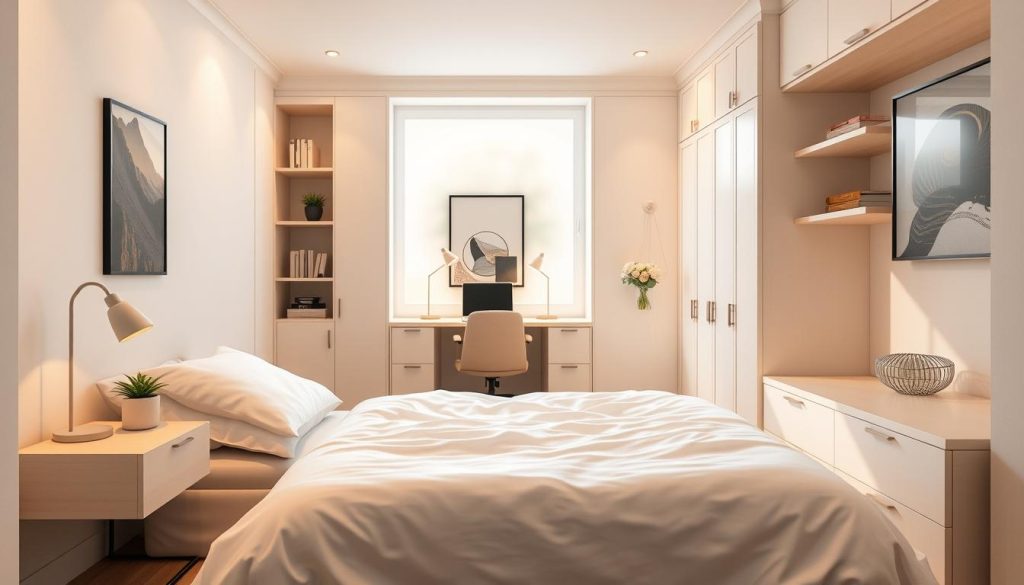
Did you know that nearly 90% of co-living arrangements involve multiple individuals sharing a home? Yet, they enjoy the privacy of their own bedrooms and bathrooms. In today’s fast-paced world, the co living bedroom layout is key for comfort and utility, even in urban settings like Singapore.
Our unique approach to shared living space design focuses on creating environments that meet individual needs. At the same time, it fosters a sense of community. By optimizing bedroom layouts, we develop community living sleeping arrangements. These arrangements enhance social interaction and make the most of limited space.
Let’s explore how we can transform your living experience. We aim to promote both personal comfort and communal harmony.
Co-living is a new way to live that focuses on sharing and community. It’s great in cities where living costs are high and space is tight. By choosing co-living, we get a bedroom layout that encourages socializing, saves money, and is easy to manage. It suits people of all ages, from young adults to those in their forties and older.
Co-living is more than just sharing a space; it’s about building a community. We split costs and get access to amenities that are usually pricey. Each bedroom has its own bathroom for privacy and comfort. These spaces help us make friends and find new opportunities, making our lives richer.
In cities like Singapore, co-living is very popular because it’s affordable and flexible. Companies like Hmlet offer over 1,500 properties for both expats and locals. The trend has grown even more during the pandemic, with virtual tours making it easy to explore options from home.
Co-living is different from traditional living because it values community over privacy. Traditional rentals often have long leases and strict rules. Co-living, on the other hand, offers flexible contracts and the chance to change your living situation easily. Co-living spaces usually include utilities, Wi-Fi, and cleaning in the rent, making them a good choice for city fringe areas.
Co-living spaces offer something special compared to regular homes. They come with cool amenities that make life better and help people meet new friends. You can find co-living places for all budgets, from simple to fancy, making them more popular.
Places like co-living have shared kitchens, comfy lounges, and work areas. These spots are perfect for hanging out and making friends. The way these spaces are set up makes it easy for everyone to enjoy them.
Living in a co-living space means sharing costs. You don’t have to worry about bills like utilities because they’re covered. This setup is great for young people and those who work online. It also helps everyone live more sustainably and feel part of a community.
Co-living is all about living together. People from different places live here, which is awesome for learning about other cultures. It’s a way to avoid feeling lonely, which is common in regular homes. Plus, there are always events to bring everyone closer together.
Creating a great co-living bedroom layout is all about being smart and stylish. It’s key for a community living sleeping arrangement that works well. We can make the most of every inch by using smart space-saving ideas. A bedroom that looks good and works well makes our shared space feel welcoming.
In cities, making the most of small spaces is vital. We can turn tiny areas into useful spots with clever design. Built-in cabinets keep things tidy, and layouts that let in light and air make our space more comfortable.
Choosing furniture that does more than one thing is smart. Sofas that turn into beds and foldable desks save space. These pieces help us change our space easily, keeping it useful for everyone.
Adding our own style to our space makes it feel like home. Unique decor and colors show who we are while keeping things cohesive. For ideas, check out this guide for mixing our taste with the community’s.
| Feature | Benefits |
|---|---|
| Space Optimization | Maximizes functionality without overcrowding |
| Multi-Functional Furniture | Enhances usability for everyday needs |
| Personalized Decor | Reflects individual style while fostering community |
| Natural Light Incorporation | Improves ambiance and promotes well-being |
By using these ideas, we can make a co-living space that’s both practical and personal. Together, we can create a home that feels like our own, shared with friends.
In communal living, good storage is key. With less space, we need smart ways to keep things tidy. We can turn our shared bedrooms into organized spaces by using every inch wisely.
Let’s look at how to do this with smart storage, using vertical space, and creative ideas.
Smart storage can change our living space. Under-bed storage adds about 30% more space. Using multi-functional furniture can cut down storage needs by 40%.
This saves space and keeps our areas clean.
Using vertical space is smart in co-living. Wall-mounted shelves save up to 20% of floor space. They let us display items or store books without cluttering the floor.
By stacking items up, we keep our space open and organized.
Creative organization can make our bedrooms better. DIY decor is a budget-friendly way to add personality. Textiles like throws and cushions make our bedrooms cozier.
Small plants not only look good but also improve air quality by up to 20%. These choices make our space welcoming for everyone.
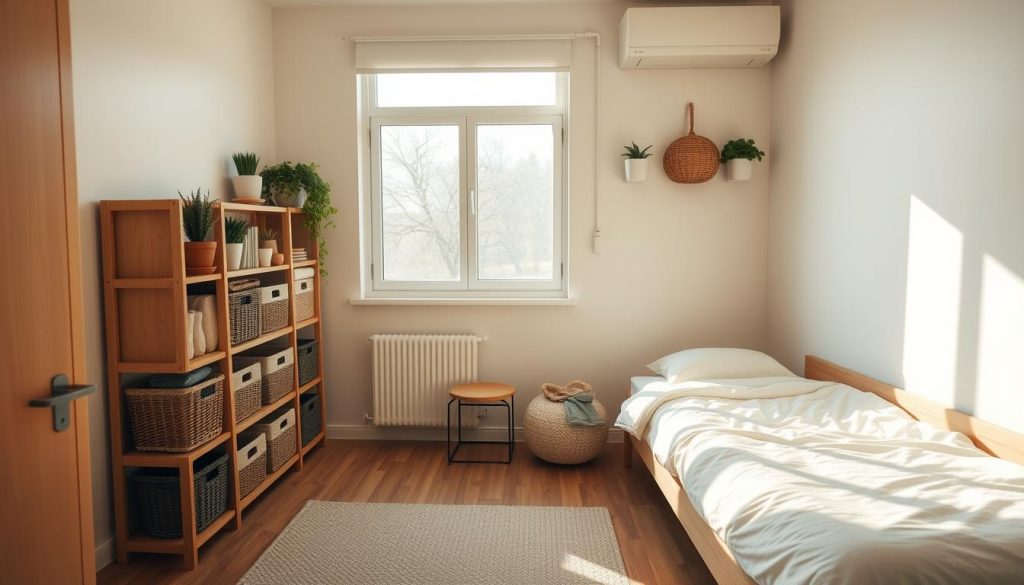
In our quest for cozy co-living spaces, the atmosphere is key. A comfy living space boosts community and personal happiness. Choosing the right colors can make a big difference, setting a relaxing mood and improving looks.
With smart lighting, we can change the feel of our shared areas. This makes them perfect for hanging out or relaxing.
Going for calming colors like white, beige, or light blue is a good start. These colors, loved by 60% of designers, create a peaceful vibe. They also match many styles, making our spaces welcoming.
Lighting greatly affects our living space. Soft lights, like bedside lamps or fairy lights, add warmth, as 70% of designers suggest. Using different lights lets us change the mood easily, balancing function and feel.
This focus on lighting makes our shared areas feel welcoming. It helps create a peaceful atmosphere.
Personal touches make a space feel like home. Photos, unique art, and special keepsakes show who we are and make us feel part of a community. Over 90% of cozy bedroom designs include these elements.
Adding things like cushions, throws, and textured fabrics keeps our space cozy and personal. It makes our shared space feel truly inviting.
In co-living, keeping privacy is key for a good life. We know that living together has many perks, but everyone needs their own space. Good privacy solutions can make shared rooms peaceful places.
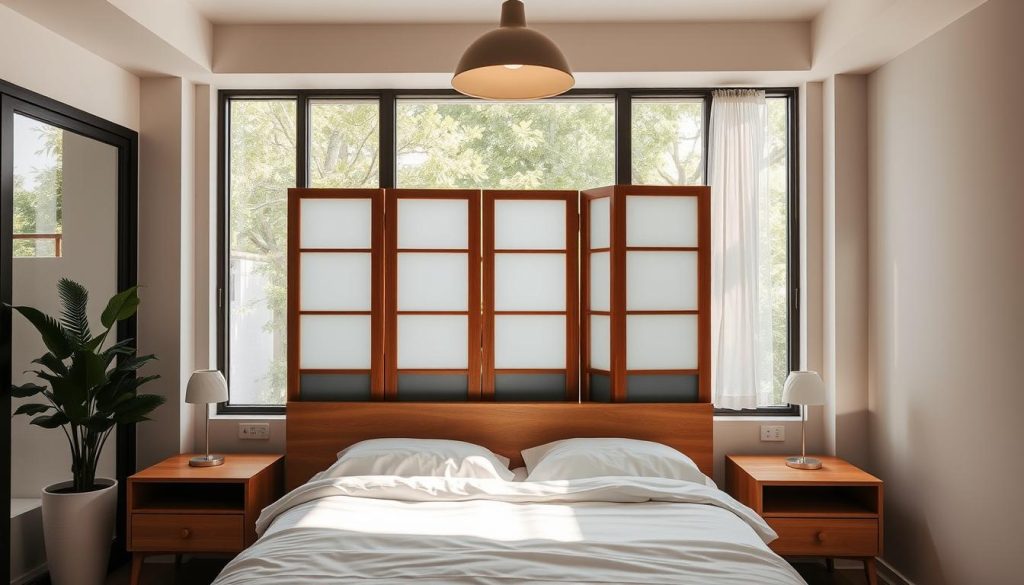
Room dividers and curtains boost privacy in co-living bedrooms. They help separate spaces and add a personal touch. People can pick designs that fit their style, making spaces both beautiful and cozy.
Noise can be a big issue in shared areas. Soundproof panels or curtains can reduce noise, making it quieter. These are important for a calm place where everyone can relax.
Setting clear rules with housemates is important for privacy. Talking openly about personal space helps everyone respect each other. Also, having quiet areas lets people find peace, making shared living better.
Sustainability is key in co-living communities. We use eco-friendly materials in our designs. This creates a green living space that meets residents’ needs and shows we care about the planet.
We choose materials like bamboo flooring and recycled metals. These options improve air quality and reduce our environmental impact. We want our spaces to make residents feel good about living here, knowing it’s good for them and the planet.
We use energy-saving lights, smart thermostats, and efficient appliances. These steps cut down on costs and promote eco-friendly living. We aim to build a community that values taking care of the environment.
We have recycling and waste management programs to support sustainability. We encourage everyone to recycle and compost. Our goal is to empower each person to help our environment.
We’re committed to making co-living spaces better for everyone and the planet. To learn more about our sustainable efforts, visit this informative resource.
In today’s world, technology is key to a better co-living experience. We use new tech to make living better and build a strong community. Smart home devices help control the environment and keep us safe, making our shared spaces comfortable and secure.
Smart home tech is now a must for good co-living. It automates tasks like heating and lighting, and keeps an eye on security. Companies like ColivHQ make it easier for managers to use these tools, improving life for everyone.
Co-living means easy access to shared spaces like laundry and meeting rooms. Tech helps schedule and reserve these areas, making them more useful. This setup helps residents connect and enjoy their living space more. For more on this, check out here.
Building strong bonds among residents is key to a great co-living space. Community apps help us talk, plan events, and share news. This tech helps us connect and feel like we belong, enriching our lives together.

Community living spaces are all about the connections between people. Organizing events and gatherings helps create these bonds. It makes life more enjoyable and builds strong friendships.
Activities like communal dinners and skill-sharing workshops are key. They help residents meet and bond. Co-living spaces are designed to support these activities, making everyone feel welcome.
In our co-living space, building strong relationships is essential. Residents share not just spaces but also dreams. Working together on projects strengthens their sense of belonging.
Residents often come together for projects like community gardens. These activities foster teamwork and creativity. They help residents build lasting connections and memories.
We understand the value of community in modern living. It’s key for those looking for affordable housing in cities like Singapore. Our focus on community makes co-living a rewarding experience. It shapes our living environment positively.
For more on improving shared living spaces, check out this resource.
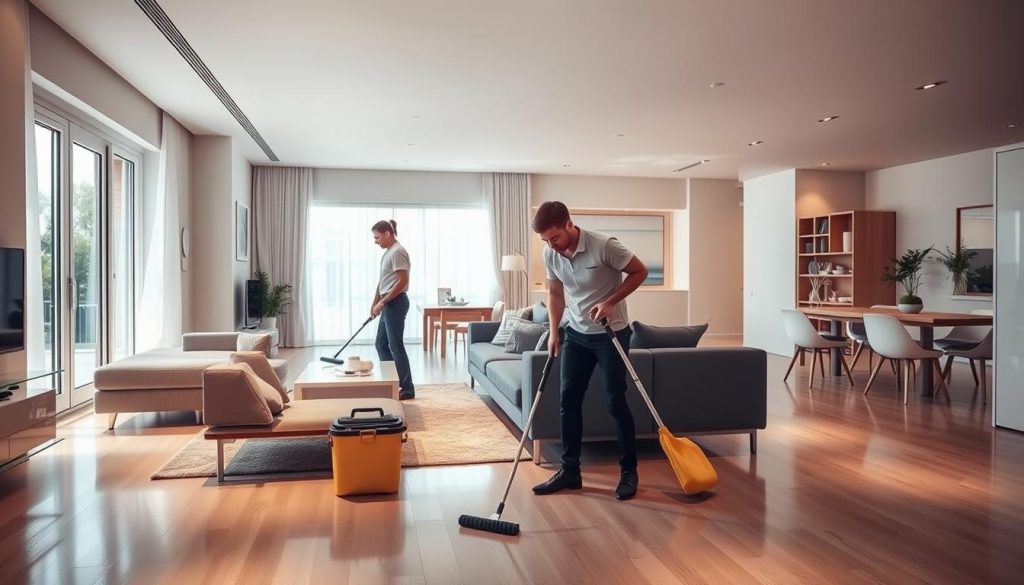
In the lively world of communal living, keeping things clean is key. Shared spaces can get dirty fast, making cleaning services a must. Regular cleaning keeps areas neat and healthy for all.
Your communal spaces are the heart of co-living. Keeping them clean makes them welcoming. Studies show 90% of clients are happier with their homes after cleaning services.
A clean space helps people get along better. It builds strong community bonds.
Professional cleaning brings many benefits. It saves people about 20 hours a month. This time can be spent on hobbies or family.
Clean spaces also reduce stress. 75% of people feel less stressed in clean places. A clean area can even make people work better, by up to 15%.
We’re all about top cleaning services for our community. We use hospital-grade cleaners to kill germs and improve air quality. Keeping spaces clean is vital for health, reducing allergens and pollutants.
Choosing our services means a fresh, welcoming space. It improves your life quality.
Creating a harmonious co-living environment is more than just setting up a space. It needs careful planning and talking things through. A well-organized co living room can make everyone happier. By setting up good systems, we can overcome common problems and make our shared living space better.
Clear house rules give structure to our shared living space. Rules for shared tasks help build respect and responsibility among roommates. Some important rules might include:
Even with the best intentions, disagreements can happen. Having strategies for solving conflicts helps keep peace and understanding. Good practices might include:
Good communication among residents is key. Talking about our needs and sharing updates helps create a supportive community. We can use strategies like:
| Strategy | Benefits |
|---|---|
| Establishing House Rules | Promotes accountability and respect |
| Conflict Resolution | Encourages understanding and harmony |
| Effective Communication | Strengthens community and fosters connection |
We’re here to make your co-living experience better. Reach out for more details about our services. Our cleaning services come with special deals to keep your space clean and welcoming.
Living in a co-living setup means a clean environment is key. It’s where comfort and community come first.
Get a no-obligation quote tailored to your needs. We offer fair prices and detailed invoices to help you budget. Whether you’re looking to move or stay, our team is here to help.
Need help right away? Call us on WhatsApp at +65 9434 1391. Our support team is ready to help, 7 days a week. We’re excited to improve your living space for you!
Co-living offers many perks. You can share costs, build a community, and enjoy amenities. It’s a way to live sustainably and feel part of a group.
To design a good co-living bedroom, use space wisely. Choose furniture that does more than one thing. Add your own style to make it cozy and look good.
Co-living places have shared areas like kitchens and lounges. They also have workspaces for everyone. These features help people meet and create a lively community.
For more storage, try smart solutions. Use under-bed boxes, hanging organizers, and shelves on walls. This makes the most of your space and keeps things tidy.
For comfort, pick soft colors and good lighting. Add personal touches like art or plants. These make your space relaxing and welcoming.
Keep privacy with dividers, curtains, and soundproofing. Quiet areas and respecting each other’s space are key. This balances everyone’s needs.
Go green by choosing eco-friendly stuff and saving energy. Encourage recycling and waste management. This helps our community be more sustainable.
Tech makes co-living better with smart home gadgets and apps. These improve security and help everyone communicate and share resources.
Being part of the community is important. Events and projects strengthen bonds and create a supportive vibe. It makes living together better.
Cleanliness is key with professional services. They keep common areas tidy, making everyone happy and proud of their space.
Harmony comes from clear rules and solving problems together. Regular talks and meetings help everyone get along and enjoy living together.
For more info on co-living and services, get in touch. We have deals on cleaning and can help with your bedroom design. We’ll give you a quote that fits your needs.
Nestled in the bustling Singapore, Livhola is a co-living space crafted for those who seek comfort, convenience, and community.
© 2024 Livehola. All Rights Reserved