

In Singapore’s lively heart, our memories are tied to the places we live. The city’s fast change makes us seek community—a *place* where we share experiences. This need has led to co living space planning, a new way to live affordably and together.
This approach not only offers cheap homes but also brings people together. It’s a shift towards *community living design*, where we work together and build strong bonds. This change is about more than just a place to stay; it’s about living as a community in the city’s hustle.
Looking into this new way of living, we see how it changes our lives. It lets us connect, work together, and grow as a community. It’s not just a home; it’s a chance to live together, even in a busy city like ours.
Co-living spaces are changing how we live in cities. They offer a mix of affordability and community. This setup combines personal space with shared areas, creating a sense of belonging.
Co-living is a modern way to live together. People share common areas like kitchens and lounges but have their own bedrooms. It’s a lifestyle that encourages interaction and connection.
Co-living spaces offer many benefits, like affordable housing in expensive cities. They provide a chance to make friends and network. This makes living there more enjoyable and fulfilling.
Co-living has taken on different forms worldwide. It combines technology, sustainability, and culture in cities. Companies like Hmlet in Singapore and Common in the US have created new models. These spaces help solve urban living problems and build lasting communities.
Space planning is key in making co-living spaces work well. Every inch should have a purpose, making sure everyone finds value. A good layout helps people connect and meets different needs.
Good space organization lets us use every inch wisely. Designing areas that do more than one thing helps. This way, we create spaces that are useful and encourage people to interact.
Having workspaces in living areas shows the need for specific spots for work. It helps move away from random setups.
Finding the right mix of private and shared spaces is important. This is key in busy cities where people might feel alone. We aim to create spaces for everyone, whether they like to be alone or enjoy being around others.
Having clear spaces helps people feel connected and happy, which is important in shared living spaces.
Design is very important in planning spaces. It affects how people use and enjoy shared areas. Good design makes spaces inviting, helping people come together.
Adding things like plants not only makes the air better but also makes people feel better. Our goal is to make spaces that encourage people to talk and connect more.

| Design Elements | Benefits |
|---|---|
| Multi-functional furniture | Maximizes utility in limited spaces |
| Distinct private areas | Enhances individual comfort and privacy |
| Ergonomic workspace design | Promotes comfort and productivity |
| Shared green spaces | Encourages community interactions |
| Natural lighting considerations | Improves mood and well-being |
We’re dedicated to making co-living spaces better. Understanding shared space organization is key for happy communities. As cities grow, creative design in co-living is more than helpful—it’s essential.
We focus on creating a perfect mix of shared and private areas in co-living spaces. This balance is key for a community to thrive. Modern co-living places have features that make living together more comfortable and connected.
Our shared housing design has common spots like lounges and kitchens, but keeps bedrooms private. This setup helps people bond and feel part of a community. It also lets them have their own space, making for a peaceful and connected living environment.
Modern amenities are a big plus in co-living. Features like fast Wi-Fi, well-equipped kitchens, and gyms meet today’s needs. Our app makes managing your space easy, making your stay smooth and enjoyable.
We’re all about green living in co-living. Our spaces use energy-saving tech and reduce waste. This way, we aim to make a community that cares for the planet while enjoying a cozy home. Learn more about good design here.
In today’s world, we need spaces that can change with us. Co-housing designs focus on being flexible. They create homes for different lifestyles, from singles to families and friends.
Flexible designs let us make spaces that fit what people want. We can have areas that do many things, like host events or be quiet spots. Features like movable walls help us change the layout easily.
This way, we don’t have to redo the whole space often. It stays welcoming as people’s needs change.
Modern co-housing designs are all about multi-purpose areas. These spaces do more than one thing, making them very useful. For example, a lounge can turn into a meeting room or a yoga spot.
This idea makes the most of the space and brings people together. It helps build a strong community feeling among residents.
| Feature | Benefits | Examples |
|---|---|---|
| Flexible Layouts | Adapts to changing needs | Movable walls, modular furniture |
| Multi-Functional Spaces | Supports diverse activities | Lounges that convert into workspaces |
| Community-Centric Design | Encourages social interaction | Shared kitchens, co-working areas |
| Sustainable Practices | Reduces environmental impact | Eco-friendly materials, energy-efficient systems |
By following these design ideas, we can make co-living spaces better. They become places that are good for everyone’s health. This focus on flexibility helps co-living spaces grow with the people who live there.
Building a strong community is key in co-living. We design spaces to make everyone feel connected and valued. This approach makes co-living more vibrant, focusing on building strong relationships.
Co-living brings people from different backgrounds together. This creates a sense of belonging. We design common areas for people to meet and interact.
Even with people moving in and out, we aim for lasting connections. This makes our community more stable and connected.
We host events like movie nights and fitness classes to bring people together. These activities help us create memories and strengthen our bond. We use technology, like WhatsApp, to keep everyone connected.
We also celebrate our achievements as a community. This helps us feel united and proud of who we are.
Exploring the legal side of co-living is key. We need to know about rental agreements and local rules. In Singapore’s co-living scene, legal matters shape our choices. Knowing these helps us build peaceful living spaces.
When we set up co-living, knowing rental agreement terms is essential. This knowledge helps avoid conflicts and improves our living experience. Rental agreements can be shared or individual, each with its own benefits and drawbacks.
Shared leases promote community but risk financial issues if not all pay. Individual leases are pricier but protect each tenant’s finances. It’s a trade-off between community and personal safety.
Following local rules is vital for co-living success. In Singapore, co-living spaces must meet zoning and housing laws. Working with city officials helps adapt these rules to meet housing needs.
This teamwork benefits everyone. It leads to innovative living solutions that meet market needs.
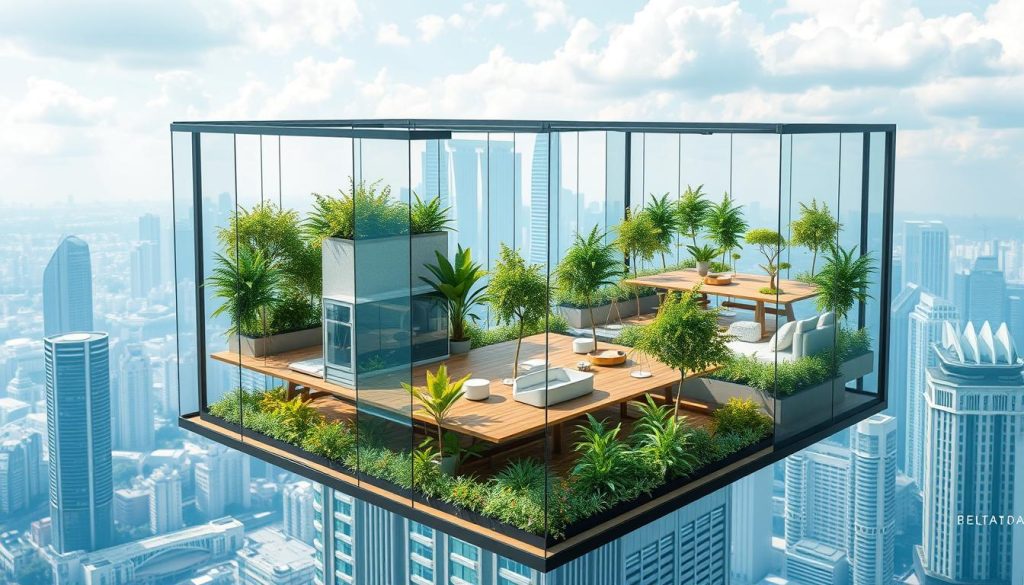
| Aspect | Shared Lease | Individual Lease |
|---|---|---|
| Responsibility | Jointly responsible for full rent | Each tenant responsible for their portion |
| Cost | Lower average cost | Higher average cost |
| Risk | High if one tenant defaults | Lower risk for individual finances |
| Tenant Protection | Limited | More protection |
Grasping these legal points helps us make the most of co-living. Being aware of our rights and duties creates a better living space. As the co-living market grows, understanding these laws benefits our community.
Learn more about starting a co-living.
Looking ahead, co-living space planning will see big changes. Cities are growing fast, with 70% of people expected to live in cities by 2030. This means we need new, smart co-living spaces that meet many different needs.
More people are moving to communal living, with a third of the world expected to do so by 2030. This trend shows how important it is to mix privacy with shared moments. The One Shared House 2030 project found that people love socializing the most, showing the need for good communal areas.
Future designs will bring in nature and new tech. Companies like BlendingBricks and Greystar are leading with green practices. They focus on plants, property, and people, and social, sustainable, and smart living.
In Singapore, designs will blend with local areas, combining shops and homes. As we move forward, we aim to make spaces that are welcoming and efficient. New tech will help make living together better.
Technology is changing how we live in co-living spaces. It brings new levels of convenience, comfort, and security. By understanding these smart solutions, we see their real benefits.
Smart home tech has made co-living better. It offers features that fit today’s lifestyle. Here’s what you can enjoy:
These changes make life easier and help the planet. They show how tech can be good for both us and the environment.
Keeping safe is key in shared living. New tech has made security better. Now, we have:
Smart entry systems that know who’s coming. They use facial recognition to keep unwanted visitors out.
AI-powered cameras watch over us. They spot trouble fast and alert us right away.
| Technology Type | Benefits |
|---|---|
| Smart Entry Systems | Access control via facial recognition, reducing unauthorized entry. |
| AI Surveillance | Real-time alerts for security breaches, boosting resident safety. |
| Automated Lighting | Energy savings and comfort tailored to your habits. |
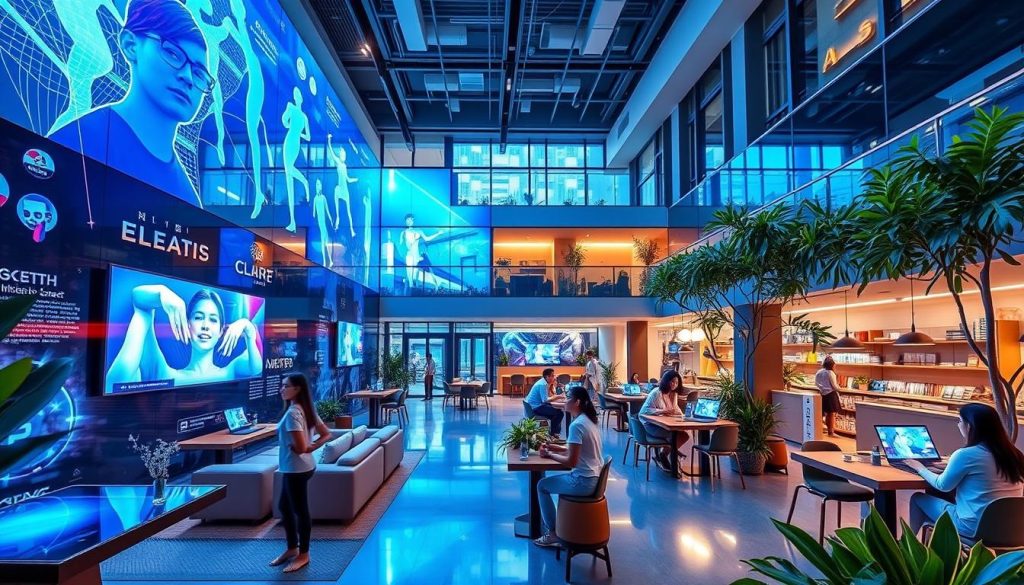
In short, tech in co-living makes life better. It improves our safety and sense of community.
Urban living in Singapore is changing fast, making co-living spaces a tempting investment. They offer affordable, community-focused housing for young professionals and expats. This is a great chance for developers and investors to make money.
The co-living sector is growing quickly, with a 30% increase in just one year. It offers higher rental yields, between 8-15%, compared to traditional homes. As Singapore becomes more urban, co-living is a smart investment.
Co-living spaces are in demand due to their convenient living options. With 60% of tenants under 35, and growth expected to hit 12% by 2028, it’s a good time to invest. Areas like Kallang, Punggol, and Bukit Panjang are becoming popular because of their affordability and new infrastructure.
| Category | Traditional Rentals | Co-Living Spaces |
|---|---|---|
| Average Rental Yield | 3-5% | 8-15% |
| Current Market Growth | N/A | 30% (1 Year) |
| Expected Growth Rate (2023-2028) | N/A | 12% Annually |
| Tenant Demographic | N/A | ~60% under 35 |
| New Units in 2023 | N/A | ~3,000 Units |
Creating great co-living spaces needs teamwork among different experts. Good partnerships are key to making these places meet many needs. They should look good and work well too.
Working with skilled architects and designers turns ideas into amazing homes. They make sure everything looks good and works right. Using green materials and new designs makes spaces that people want to live in.
This focus on quality makes a property stand out. It’s important in a competitive market.
Getting advice from community experts makes our co-living projects better. They know what locals want and need. This helps us create spaces that really help residents.
Working together makes the community stronger. It also makes people happier with their homes. Experts help plan events that bring people together.
As the co-living scene in Singapore grows, teamwork is more important than ever. We should team up with experts to offer the best living experiences. For more on successful partnerships, check out our website.
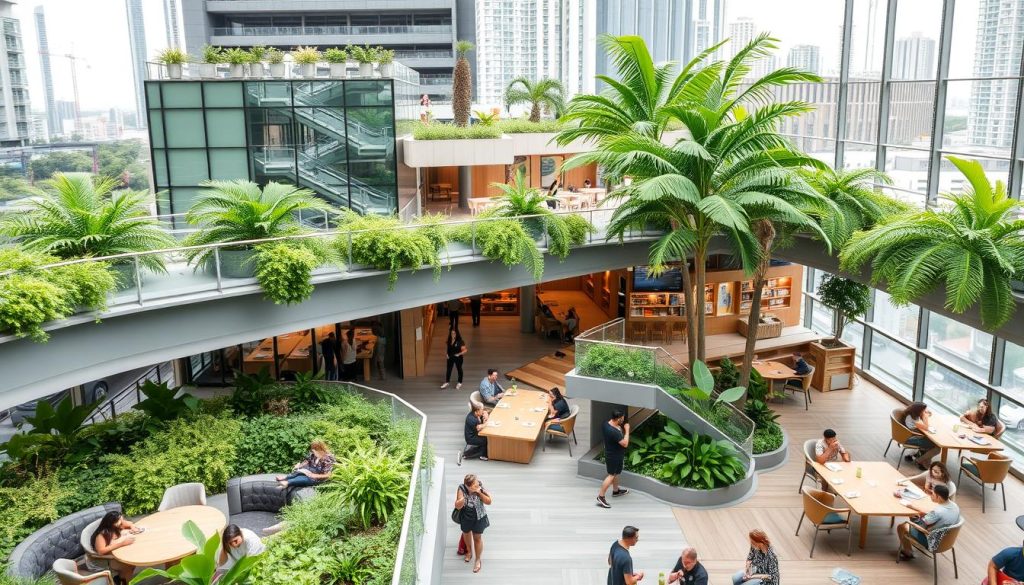
In Singapore’s lively co-living scene, cleanliness is key to making residents happy. Our cleaning services are made just for these places. We keep them clean and welcoming, which is important for a good living space.
Co-living spaces need regular, deep cleaning. They get a lot of visitors and have different tastes. Professional cleaners keep everything clean, making the place feel like home.
We know every co-living space is different. Our cleaning plans are made just for you. We offer:
We use green products to help the planet and keep everyone healthy. Our cleaners are well-trained and use the latest tech. With us, you can relax and enjoy your home.
If you’re interested in our co-living spaces, we invite you to reach out. We have over 1,673 keys across various properties in Singapore. Our fully furnished units are designed for both professionals and students.
This setup boosts privacy and fosters a lively community. It’s perfect for those seeking a flexible living arrangement.
We’re thrilled to offer several co-living promotions. Plus, you can get a free no-obligation quote for our cleaning services. Our spaces feature modern amenities like superfast Wi-Fi, communal kitchens, and lounges.
These ensure a comfortable and convenient lifestyle. To learn more about our pricing, which ranges from SGD 1,100 to SGD 2,200, contact us at +65 9434 1391.
Co-living means sharing common areas like kitchens and lounges. But, you have your own bedroom. It’s a way to live affordably with modern comforts and social benefits.
Co-living spaces save money, which is great in expensive cities. They also help you meet new people and make friends.
Co-living varies globally. Cities use technology and focus on sustainability. They also respect local cultures to meet different needs.
To make the most of space, co-living areas should be multi-functional. This way, everyone can enjoy the space and interact more.
Good co-living spaces offer privacy but also encourage community. This is key in busy cities where people might feel alone.
Design is key in co-living. It should look good and work well. This helps people get along and enjoy the space together.
Co-living spaces have shared areas like lounges and kitchens. But, you also have your own bedroom. This mix helps you socialize without losing your personal space.
Co-living spaces have cool features like fast Wi-Fi and gyms. They also use apps to manage things. These make living there great.
Co-living places often go green. They use energy-saving stuff and try to reduce waste. This helps the planet and makes living there better.
Co-living spaces are flexible. They work for singles, families, or friends. This means they can meet many different needs.
The co-living world is changing fast. Cities are getting busier, tech is improving, and people want to live green. This leads to new ideas and ways of living.
Tech makes co-living safer. Things like smart locks and cameras give residents peace of mind. They know they’re safe.
Co-living is a smart investment. It’s popular and growing. This makes it a good choice for developers looking to make money.
Clean co-living spaces are key. They look good and feel fresh. This makes residents happy and healthy.
There are cleaning services made just for co-living. They keep the place tidy and meet everyone’s needs. This is important for a happy living space.
Nestled in the bustling Singapore, Livhola is a co-living space crafted for those who seek comfort, convenience, and community.
© 2024 Livehola. All Rights Reserved