

Did you know TAP has launched its 132nd property in Singapore? This shows how fast co-living real estate is growing. As living costs rise, more people are turning to shared housing that’s affordable and community-focused.
Co-living spaces are more than just places to live. They offer a new lifestyle for young professionals and those looking for something different. At 161 Lavender Street, almost 90% of the property is already rented out. This shows how much people want to live in co-living spaces.
This change is not just about where we live. It’s also opening up new investment chances in Singapore’s housing market. Let’s dive into the world of co-living and see how it’s changing city living.
Co-living is changing how people live in cities. It offers a mix of personal space and shared areas, creating a community feel. This is becoming popular as people look for affordable and flexible homes.
More co-housing communities are popping up. This shows a big change in real estate, moving toward more social living.
Co-living means sharing common areas but having your own bedroom. It helps people connect and enjoy facilities like gyms and lounges. You usually need to stay at least three months, which suits young professionals and students.
The rules for co-living are set by the Urban Redevelopment Authority (URA). They make sure the living spaces are good quality.
Co-living is growing because of more people living in cities and wanting community. Companies like Cove and The Assembly Place offer co-living that fits modern life. They are often cheaper than regular rentals, which is a big plus for city dwellers.
Co-living helps people feel part of a community. It makes living in the city more rewarding by building connections with others.
The way people live in Singapore is changing. High housing costs and new lifestyles have led to co-living spaces. These changes have made living together more affordable and community-focused.
Singapore used to have mostly single-family homes and private apartments. But, young professionals and rapid growth have changed this. A 2020 JLL study found more people want co-living due to its affordability.
Co-living spaces cost about SGD 3,000 a month. This is cheaper than private studio apartments. It shows co-living is becoming a key part of housing needs.
Urban living is now more about shared spaces. The Mangrove Dongdaemun Co-living project offers over 170 living options for 300 residents. The Episode Suyu 838 Complex is like a “vertical village” with cafés and kitchens.
These spaces attract investors because they meet market needs. They focus on wellness and sustainability, building a strong community.

| City | Average Monthly Rent (Co-Living Spaces) | Key Community Features |
|---|---|---|
| Singapore | SGD 3,000 | Rooftop events, wellness programs |
| New York | $2,500 | Shared workspaces, community events |
| London | £1,800 | Fitness centers, social activities |
| Tokyo | ¥150,000 | Co-working spaces, workshops |
| Berlin | €1,200 | Community gardens, classes |
Co-living spaces are changing urban living. They offer flexibility, community, and sustainability. This shift opens new opportunities for managing shared spaces, appealing to those who want multifunctional living.
In today’s fast-paced cities, young professionals look for new ways to save money and connect with others. Co-living spaces offer a cost-effective solution that helps with high rental costs. They create a lively community while saving money.
Co-living is a cheaper option than traditional housing, easing the financial burden on millennials. Sharing space lowers rental and utility costs. This makes co-living more profitable for property owners than regular rentals.
Co-living spaces open doors to valuable networking. People from different backgrounds come together, reducing urban isolation. Events like dinners and workshops encourage collaboration and idea-sharing.
These connections can lead to mentorships and new career paths. They help in personal and professional growth.
Co-living spaces focus on a balanced lifestyle, blending work and leisure. Shared amenities like fitness centers and co-working spaces help manage time well. Wellness programs within the community promote productivity and relaxation.
Choosing co-living in Singapore lets us dive into a lively local culture. Living together in shared spaces builds community and creates shared memories. It’s clear that many people prefer co-living for its social benefits and life enrichment.
Living in communal spaces puts us in the middle of Singapore’s vibrant areas. We can explore local markets, food scenes, and cultural events easily. Many co-living projects are in prime spots, letting us fully experience Singapore’s life.
Co-living spaces are strategically placed for work and fun. Places like Hmlet and Cove keep us near business hubs and entertainment spots. Easy access to public transport makes our daily lives easier and less stressful.
Modern co-living spaces offer a wide range of amenities. We get fully furnished rooms and shared kitchen areas, making life convenient and comfortable. Many places include utilities, internet, and maintenance in one monthly fee, unlike traditional rentals.

In summary, co-living in Singapore is appealing for more than just cost. It offers rich experiences and a fulfilling urban lifestyle. For more on co-living and its growing popularity, check out this resource.
In the fast-changing world of city living, co-living spaces in Singapore are gaining popularity. They offer a mix of affordability and community for those looking for a new way to live. These spaces come with various amenities, making them a great option for many.
Co-living spaces have different living options to fit everyone’s needs:
Each type encourages socializing and builds a supportive community. This sense of belonging is a big plus for many.
The facilities in these spaces make living better. Common areas include:
These shared areas make co-living affordable. They help reduce the costs of traditional housing. With good management, living here is efficient and comfortable.
Looking ahead, co-living spaces will be key in meeting the need for affordable housing. For more on co-living, see this guide. Co-housing is changing how we see home and shared living.
Looking at co-living vs traditional housing, we see big differences. Co-living is all about flexible living and being part of a community. It’s a change from the usual apartments, attracting those who want to save money and enjoy social life. Let’s explore how these two options differ.
Co-living shines with its flexibility. You can sign up for just a month or three, unlike traditional housing’s 11 to 12 months. This is perfect for digital nomads and students who don’t need a long-term place. Co-living also offers an all-inclusive monthly fee for rent, utilities, and more. This is a big difference from traditional rentals, where you pay for everything separately.
Co-living also focuses on building a community. It has shared spaces for people to meet and have fun together. Traditional housing, on the other hand, values privacy over community. While it gives you more alone time, it can make you feel isolated. Co-living, by contrast, encourages people to work together and support each other.

In the end, co-living vs traditional housing comes down to what you value most. If you want flexibility, community, and to save money, co-living is the modern choice for city living.
Looking for co-living spaces requires careful thought. We need to consider location, budget, community culture, and amenities. These factors help us make a good choice.
These factors are key to finding the right place:
Online platforms make finding co-living spaces easier. They let us:
Using these tools helps us find the perfect communal living space in Singapore.
The future of co-living in Singapore looks bright, with new trends and solutions emerging. The co-living market has grown by 30% in just one year. This growth is mainly due to young professionals, expats, and students looking for affordable, social living spaces.
Singapore’s co-living scene is changing fast, with a 12% annual growth rate expected from 2023 to 2028. Developers are adding smart home tech and digital platforms to their projects. These features make living easier and help residents feel connected.
Communal living is becoming more popular, with areas like Kallang, Punggol, and Bukit Panjang leading the way. These places offer more affordable housing options.
Sustainability is key in co-living trends. Developers are using green tech and energy-saving designs in their projects. This focus on the environment sets a new standard for urban living.
Co-living units cost between S$800 to S$2,550 to rent, which is cheaper than private apartments. This affordability, combined with modern amenities, makes co-living a popular choice.
| Aspect | Co-Living Spaces | Traditional Rentals |
|---|---|---|
| Market Growth | 30% annual increase | N/A |
| Expected Annual Growth (2023-2028) | 12% | N/A |
| Rental Yield | 8-15% | 3-5% |
| Community Focus | High | Limited |
| Age Group of Tenants | 60% under 35 | N/A |
As the co-living market grows, it meets the needs of tenants and tackles urban challenges. Co-living is becoming a key part of Singapore’s real estate future, promoting community and sustainability.
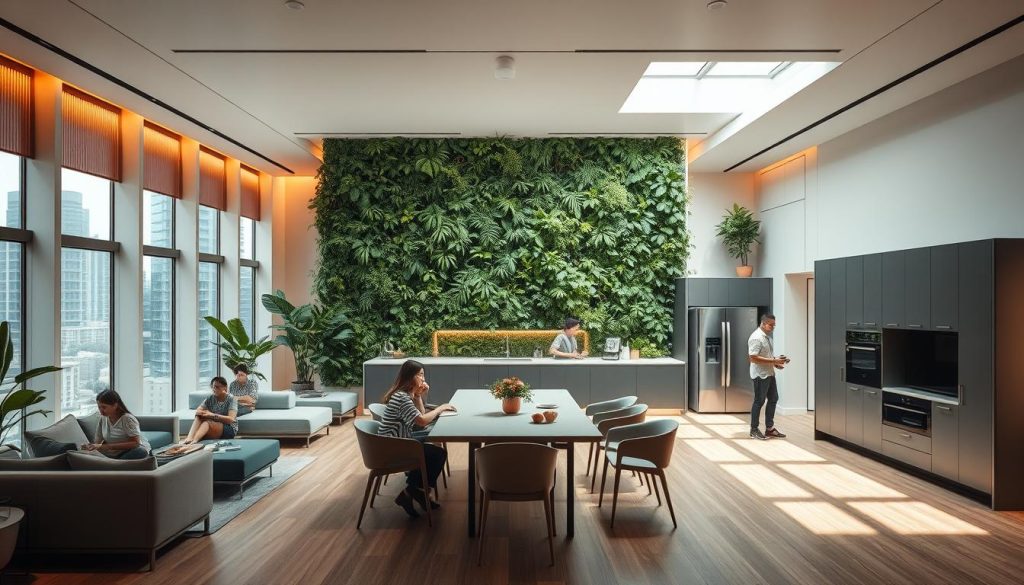
Cleanliness is key to comfort and happiness in co-living properties. A clean environment makes shared spaces look good and feels welcoming. We offer cleaning services made just for co-living spaces, making sure every area is inviting.
Cleanliness is super important in shared living spaces. It helps keep things running smoothly and makes a great place to live. With all-inclusive room rentals, keeping things clean is a team effort. We make sure every resident has a clean, healthy place to live.
We have a wide range of cleaning services for co-living spaces. Every place is different, and we get that. Here’s what we offer:
Our cleaning services are all about making your community better. We use the latest tech and a reliable team to keep things clean. A clean place means happier, more connected residents.
| Service Type | Description | Frequency |
|---|---|---|
| Regular Cleaning | Routine cleaning of personal and shared spaces. | Weekly |
| Deep Cleaning | Thorough cleaning of high-traffic areas and amenities. | Monthly |
| Flexible Cleaning | Accommodations for resident schedules, including evenings. | As Requested |
| Eco-Friendly Services | Using sustainable cleaning products and methods. | All Services |
We invite you to try the modern lifestyle of co-living real estate, made for young professionals. In Singapore, monthly rents range from S$800 to S$3,500. These spaces are affordable and build lively communities. Our professional cleaning services keep your home clean and welcoming, making your life better.
Ready to start this exciting journey? Contact us for our latest deals. Our team is here to help you find the perfect co-living space. We offer great living options and cleaning services tailored just for you.
Want a personalized quote? WhatsApp us at +65 9434 1391. Our team is ready to answer your questions. We’ll show you how we can make your home clean and comfy in Singapore’s busy scene.
We value transparency and easy access. That’s why we offer no-obligation consultations. Let’s take the first step in your co-living journey. We promise cleanliness and comfort won’t be ignored. Your happiness is our goal as you dive into this new way of urban living.
Co-living spaces in Singapore are appealing because they are affordable. They also offer a sense of community and shared facilities. This is great for young professionals and expatriates who want a lively lifestyle but can’t afford high housing costs.
Co-living is more flexible than renting. It has shorter leases and lower costs upfront. It also brings people together, creating a community feel that’s missing in many apartments.
Yes, co-living is best for young professionals, expatriates, and those seeking affordable housing. It’s perfect for those who enjoy networking and community life.
Co-living places have shared living areas, kitchens, and laundry. They also have gyms, lounges, and event spaces. These amenities help people connect and live a balanced life.
To find the right co-living space, think about location, community, budget, and amenities. Talk to local operators and use online platforms to make a good choice.
Trends include sustainable living, smart home tech, and community-building. These focus on making co-living better for residents and the environment.
Cleanliness is key in co-living to create a peaceful living space. Keeping shared areas clean makes everyone more comfortable and happy.
We offer cleaning services made for co-living. This includes regular and deep-cleaning options. It keeps communal areas clean and welcoming for all.
For more info on co-living and our services, get in touch. You can WhatsApp us at +65 9434 1391. We’ll discuss your needs and set up a consultation.
Nestled in the bustling Singapore, Livhola is a co-living space crafted for those who seek comfort, convenience, and community.
© 2024 Livehola. All Rights Reserved