

In Singapore, a city known for its vibrant culture and high cost of living, a new trend is emerging among millennials: co-living. This innovative approach to housing offers a cost-effective alternative to traditional apartments. It fosters a sense of community and connection among residents.
Our community living spaces are designed to promote interaction and a sense of belonging. At our community living spaces, you’re not just renting a room. You’re becoming part of a community that shares your values and lifestyle.
Ready to find your perfect community? Contact us via WhatsApp at +6594341391. Learn more about our current promotions and schedule a no-obligation viewing.
Housing has changed a lot, leading to co-living spaces. These offer a new way to live, different from old rental experiences. Co-living is a big step forward, changing how we see homes and communities.
The old way of housing is changing with the co-living revolution. Co-living places are made for comfort and work, with shared spaces. It’s not just a place to live; it’s about building a community that helps you grow and connect.
A co-living expert once said,
“Co-living is redefining the concept of home and community in the urban landscape.”
This change meets the needs of today’s mobile workers. They want flexibility and a community to belong to.
Co-living changes rentals by being more flexible and welcoming. People can get short-term leases and fully furnished spaces. This makes it great for those who like easy living.

Co-living adds co-working and shared areas, bringing people together. It makes living better and helps with work and personal growth.
Singapore’s housing scene is changing, and co-living is becoming more popular. The city’s mix of modern life and cultural variety makes it perfect for this trend.

Singapore’s housing market is tight, with high demand and limited supply. This has made housing expensive, making it hard for people to find affordable places. Co-living offers a solution, providing affordable and flexible housing in great locations.
Co-living spaces in Singapore are near public transport, shops, and entertainment. This makes life better for those living there.
The co-living market in Singapore is growing fast. There are more co-living spaces now than before. Growth statistics show that demand will keep going up, thanks to more young professionals and expats.
As the market grows, we’ll see more creative and varied co-living options. These will meet different needs and tastes.
Many kinds of people are choosing co-living in Singapore. This includes young professionals, students, and even families. They like the flexibility, affordability, and sense of community that co-living offers.
Young professionals find co-living great for networking and making friends. It’s a chance to connect in a shared space.
Living in a shared co-living space can change your life. It’s more affordable, social, and flexible. This lifestyle is popular for many reasons, like saving money and making friends.
Co-living is a smart choice for saving money. In Singapore, where housing is pricey, co-living offers a cheaper option. You get fast internet, cleaning, and kitchens, saving you cash.
Young professionals and students are choosing co-living. They want to spend less on living without giving up quality.
Co-living spaces help you meet people. They’re great for making friends and professional contacts. Events and activities bring residents together.
For more on how co-living helps you connect, visit CoHomes.
Co-living spaces offer the flexibility you need. They have flexible leases and lots of amenities. This helps you balance work and life better.
Whether it’s working or playing, co-living spaces support you. To learn more about co-living in Singapore, check out Livhola.

Singapore offers a wide range of co-living spaces, from modern apartments to heritage shophouses. This variety lets people pick the best place to live based on their lifestyle and preferences.
Apartment-style co-living is very popular in Singapore. These modern places have lots of amenities and services to make life better.
These spaces usually have gymnasiums, swimming pools, and communal lounges. They help people stay healthy and meet others.
Rooms range from single occupancy to shared spaces. They often come furnished with the latest appliances, making it easy to move in.
| Room Type | Amenities | Price Range |
|---|---|---|
| Single Occupancy | Private bathroom, Wi-Fi | $800-$1,200 |
| Shared Accommodation | Shared bathroom, Wi-Fi | $500-$900 |
Heritage shophouses and converted buildings offer a unique living experience. They mix old-world charm with modern comforts. Residents get to enjoy the history of old Singapore with today’s conveniences.
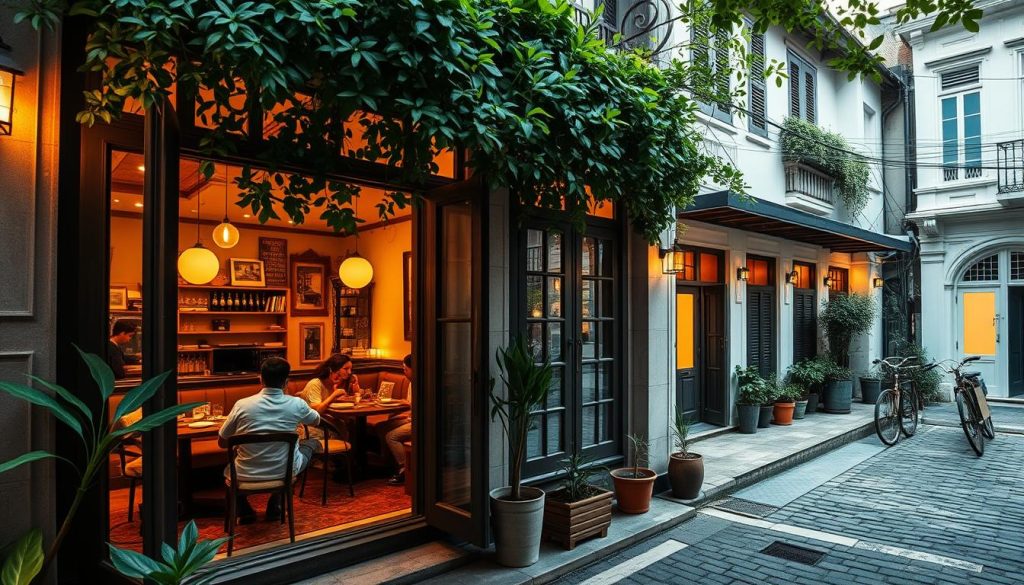
Purpose-built co-living spaces are made for today’s co-livers. They have innovative designs and the latest technology. As mentioned in a recent article on the differences between co-living and shared housing, these spaces are changing how we live together.
There are many co-living options in Singapore. Finding the right one means looking at location, amenities, and community events. These are key factors to consider.
Start by making a list of what you need and want. Think about where it is, what amenities it has, and the community vibe. This helps narrow down your search.
For example, if you like peace and quiet, avoid places near busy roads or nightlife. If you want to be part of a lively community, look for places with lots of events.
When looking at co-living communities, ask important questions. This ensures the place fits your lifestyle. Some key questions include:
Be aware of warning signs when searching for a co-living community. These could include:
| Warning Sign | What to Look Out For | How to Avoid |
|---|---|---|
| Poor Maintenance | Dirty common areas, broken fixtures | Inspect the property thoroughly, ask about maintenance schedules |
| Unclear Lease Terms | Ambiguous contract terms, hidden fees | Carefully review the lease agreement, ask questions |
| Lack of Community Engagement | Rare or no community events | Ask about community activities, talk to current residents |
By being informed and doing your research, you can find a co-living community in Singapore. It should meet your needs and improve your lifestyle.
Singapore has many neighborhoods, each with its own vibe. From bustling city centers to calm coastal spots, there’s something for everyone. Let’s dive into what makes each area great for shared living.
The central areas of Tanjong Pagar, Tiong Bahru, and River Valley are lively. They offer a mix of city life and cool amenities. Here, you’ll find:
Tanjong Pagar is a hit with young professionals. It’s trendy and close to the city center.
The East Coast and Katong offer a chill vibe. They’re close to the beach. Here, you can enjoy:
Katong is famous for its Peranakan heritage and culture.
For those watching their budget, Geylang, Jurong, and Woodlands are good choices. They offer:
Geylang is known for its lively night market and cultural mix.
When you think about co-living in Singapore, it’s key to know the costs. Co-living spaces mix community with convenience. But, it’s important to understand the money side to make a smart choice.
Monthly costs for co-living in Singapore include rent, utilities, and service fees. Knowing these parts helps with planning your budget.
Rental prices differ by area in Singapore. Places like Tanjong Pagar and Tiong Bahru cost more than outer areas.
| Area | Average Base Rent (SGD) |
|---|---|
| Tanjong Pagar | $1,800 – $2,500 |
| Tiong Bahru | $1,700 – $2,300 |
| Woodlands | $1,200 – $1,800 |
Utilities and service fees are usually part of the co-living deal. They cover things like electricity, water, internet, and shared spaces. These costs can be $100 to $300 a month, based on use and services.
Co-living packages in Singapore often include utilities, fast internet, and access to shared areas like gyms and lounges. Some places might also offer extra services like cleaning and upkeep.
“Co-living spaces that include utilities and service fees in the package make it easier for residents to budget their monthly expenses.”
It’s also important to plan for extra costs like food, transport, and fun. A detailed budget helps make your co-living experience smooth.
Understanding the legal side of co-living in Singapore is key for a peaceful living space. It’s as important as finding the right community. Knowing the legal framework helps avoid stress and ensures harmony.
Your lease agreement is a vital document. It outlines your stay’s terms and conditions. Make sure to read about rent, stay duration, and your duties. Also, note any penalties for leaving early and how to renew your lease.
In Singapore, tenants have rights like a safe living space. But, you also have duties, like paying rent on time and keeping the place clean. Learn about the Singapore Tenancy Agreement to know your duties.
Living with others needs respect and understanding. Good communication and respect for shared areas improve your experience. Joining community events can help everyone feel connected.
Co-living is a chance to live in vibrant cities like Singapore. It lets you connect with people who share your interests. You’ve learned about the benefits and types of co-living spaces.
Ready to explore further? Contact us via WhatsApp to see how our spaces can meet your needs. We aim to help you find the perfect co-living experience.
Check out our blog at https://livhola.com/blog/ for more on co-living. Stay updated on the latest trends and insights in shared living.
Shared co-living means living with others in a shared space. It has communal areas and amenities. Unlike traditional renting, it creates a community feel and offers a social living environment.
Co-living is gaining popularity in Singapore due to its unique housing and high rental costs. It’s also seen as a flexible and affordable option. Young professionals and students find it appealing for its community and convenience.
Co-living in Singapore offers financial savings and a chance to build professional and social networks. It provides convenience and flexibility. It also helps in achieving a better work-life balance and offers access to amenities and services.
Singapore has various co-living spaces, including modern apartments and heritage buildings. These spaces offer different amenities and room configurations. They cater to different preferences and budgets.
To find the right co-living community in Singapore, identify your must-haves. Ask the right questions and watch out for warning signs. Research neighborhoods, consider your budget, and look for spaces that fit your lifestyle.
Co-living in Singapore involves base rental costs, utilities, and service fees. Some spaces may charge extra for amenities and services. It’s important to know what’s included and budget for extra expenses.
As a co-living tenant in Singapore, you have rights and responsibilities in your lease agreement. Understand your obligations and respect your community. Knowing your rights ensures a positive living experience.
To keep harmony in shared spaces, be respectful and communicate openly. Follow the rules and guidelines of your space. Consider noise levels, cleanliness, and shared areas for a positive experience for everyone.
Contact us via WhatsApp at +6594341391 for more information on our community spaces and promotions. Schedule a no-obligation viewing to learn more.
Nestled in the bustling Singapore, Livhola is a co-living space crafted for those who seek comfort, convenience, and community.
© 2024 Livehola. All Rights Reserved