

Ever dreamed of a place where people from all walks of life can come together? In Singapore, the need for affordable living and meaningful connections is growing. This has opened up new opportunities for co-living.
Co-living spaces offer more than just a place to live. They provide a sense of community for young professionals. We’re not just building a space; we’re creating a home for dreamers and doers. Tiny Pod’s train hotel project shows us the power of creativity in co-living.
Let’s start our journey to create a co living business that values sustainability and community. This is our chance to make a difference in Singapore’s housing market.
Co-living is changing how we live together. It’s about sharing a space but keeping your own room. This fits well with what people want in Singapore today.
Co-living is a new way to live, different from old styles. People share areas but have their own rooms. It’s good for those who can’t afford big places but want to meet others.
This idea started in Denmark in the 1970s. Now, it’s big all over the world, with Singapore leading the way.
Co-living has lots of good points. Here are some:
It’s great for young people, travelers, and anyone wanting to feel part of a community. The co-living world is growing fast, thanks to changing times and tastes.
| Feature | Co-living Spaces | Traditional Rentals |
|---|---|---|
| Minimum Stay Duration | 3 months | Varies widely |
| Unit Size | Minimum of 35 square meters | Varies |
| Occupancy Cap | Max 6 unrelated individuals | No specific limit |
| Market Leaders | Hmlet, Coliwoo | N/A |
| Typical Amenities | Maid services, co-working spaces | Varies |
The co-living industry in Singapore is growing fast. It shows a lot of promise with new trends. Knowing these trends is key for our business plan. It helps us meet the needs of our future residents.
The co-living sector in Singapore is booming. It has about 20 active players and over 9,000 rooms. At first, it was for expats and international students. Now, it’s attracting locals too, thanks to remote work and flexible living.
It’s important to know who our co-living spaces are for. They appeal to many, including:
Co-living thrives on shared spaces and community programs. It encourages people to connect. With fast internet, cleaning, shared workspaces, and kitchens, it offers a great living experience. By understanding these trends and our target audience, we can create spaces that meet Singapore’s needs.
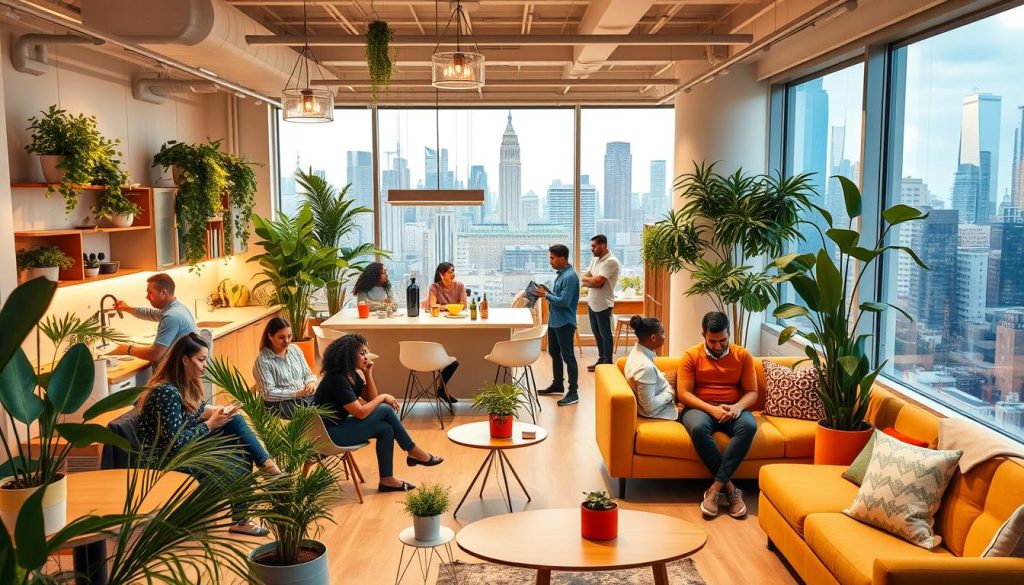
Creating a detailed co-living business plan is key to our success. It sets our goals and outlines how to reach them. It’s important to focus on the main parts that guide our choices and actions.
Our co-living business plan should have several important parts:
Setting sustainable goals is essential to stand out in the co-living market. Focusing on eco-friendliness and community involvement meets the need for responsible living spaces. By adding these features, we attract environmentally aware consumers.
For more tips on creating a co-living business plan and reaching our sustainable goals, check out this guide.
Starting a co-living business in Singapore requires careful legal steps. We need to focus on the licenses and permits needed. This ensures we follow local rules and avoid legal issues.
Getting the right licenses is key to starting our co-living space. The Urban Redevelopment Authority (URA) says we need a property of at least 35 sqm. We must also not exceed the legal occupancy limits.
Working with local authorities helps us keep up with changing laws. This way, we can make sure we’re always following the rules.
Being compliant goes beyond just getting licenses. We must also do regular safety checks and keep health codes up to date. It’s important to have a minimum stay of three months for our residents.
Legal audits help us meet health and safety standards. Sometimes, we might need a lawyer who knows real estate law to guide us.
| Regulation | Details |
|---|---|
| Minimum Property Size | 35 sqm (376.74 sqft) |
| Legal Occupancy Limit | Must not be exceeded at any time |
| Minimum Stay Requirement | 3 months |
| Safety Inspections | Regular checks on electrical, plumbing, and fire systems |
| Health Code Compliance | Regular maintenance and inspections of shared amenities |
| Legal Audits Frequency | Regular audits of contracts and insurance policies |
Choosing the right location is key for our co-living business. We need to focus on important factors to attract residents and build a strong community. A good competitive analysis helps us find areas with high demand, leading to better occupancy rates.
When looking at locations, we should think about:
Doing a deep dive into competitors helps us understand the market. We should look at:
By studying these aspects, we can make our co-living spaces stand out. As we start, we learn from others and adjust our plans. Using detailed research tools helps us find the perfect spot for our target audience. Looking at resources like this guide on living spaces can also help us improve our strategy.
In co-living space design, we focus on creating welcoming and harmonious places. These spaces should encourage people to interact while also respecting their privacy. Our aim is to design spaces that are not only beautiful but also improve community living with thoughtful features.
A collaborative atmosphere needs well-thought-out layouts that boost interaction among residents. Using clusters—smaller groups of living units with shared spaces—helps in building relationships. It’s important to have common areas that meet different needs.
For example, a central area for socializing and work can help people connect easily.
To offer the best co-living experience, we must include key amenities. Features like soundproofing, private bathrooms, and movable walls improve privacy in shared spaces. Adding smart technology, like app-based services and secure entry, makes life easier and safer.
Also, including eco-friendly elements like solar panels and green designs will appeal to those who care about the environment. This makes everyone happier with their living space.

Creating a strong co-living brand is key in today’s market. We need to define what makes us special. This unique value proposition attracts and keeps residents loyal.
Our unique value proposition should show what we offer that others don’t. Key points include community, convenience, and cost. Community is a big draw, making our spaces more appealing.
By focusing on community, we keep residents longer and build loyalty. This leads to more people wanting to live here, thanks to trust and engagement.
To draw in and keep residents, our marketing must highlight what we offer. Using testimonials from residents shows the good life in our spaces. Good branding, clear and consistent, boosts our market image and growth.
With smart management, our brand’s value grows. This makes it more attractive to consumers, encouraging them to choose our co-living spaces.
Building partnerships in co-living is key to a better resident experience. Working with local businesses like cafes, gyms, and coworking spaces creates a supportive community. This not only improves our residents’ lives but also boosts our brand.
By teaming up, we can offer more value to our co-living spaces. This makes them more appealing to people looking for a place to live.
Partnering with local businesses brings many benefits. For example, cafes might give discounts to our residents. Gyms could offer special rates for members.
These partnerships help us provide what our residents want. Adding more amenities can increase our occupancy and revenue. It’s also a chance to offer premium services.
Getting involved in real estate networking opens up new opportunities. By attending industry events, we meet investors and other property owners. This can lead to new business ideas and partnerships.
Support from well-known industry names can also boost our brand’s reputation. It shows we’re serious and reliable in the market.
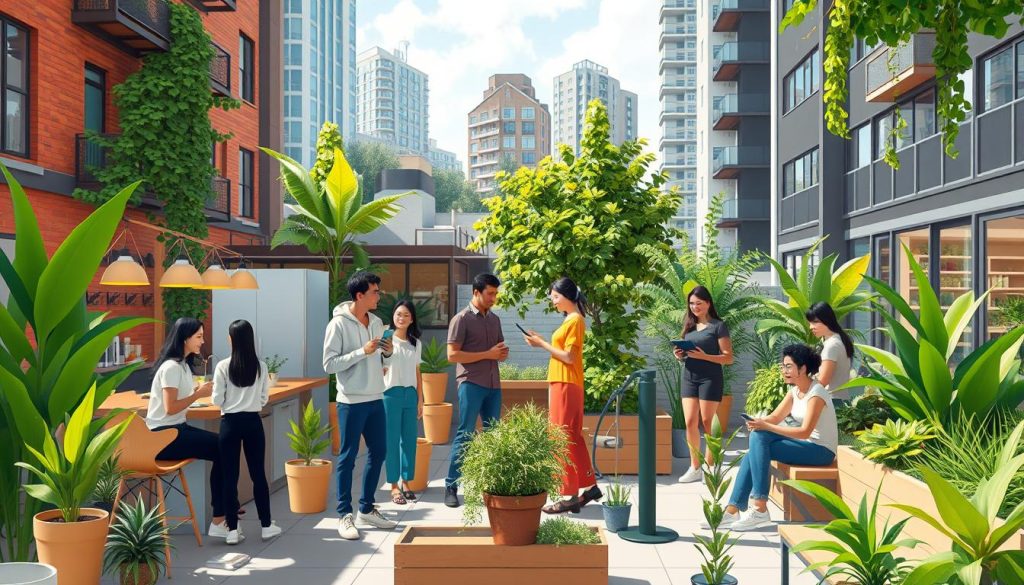
| Partnership Type | Potential Benefits |
|---|---|
| Cafes | Exclusive resident discounts and events |
| Gyms | Special membership rates and fitness classes |
| Coworking Spaces | Flexible office solutions and networking events |
| Local Artists | Art exhibitions and workshops for residents |
| Food Delivery Services | Convenience for residents and promotional offers |
Through community engagement and smart partnerships, we meet our residents’ needs. Our co-living spaces become a lively community. Learn more about how partnerships can grow our business by visiting our website.
Creating a vibrant community in our co-living spaces greatly enhances the resident experience. By focusing on community engagement, we turn our spaces into a thriving environment. Everyone feels connected and valued here.
Regular events, workshops, and social gatherings are key to building strong relationships among residents. These activities help everyone feel a sense of belonging. They turn small interactions into meaningful connections.
Our goal in designing events is to bring residents together. We aim to create a supportive atmosphere. We organize various events, such as:
Each event is a chance for residents to connect, share experiences, and contribute to a positive environment. These gatherings strengthen community ties and boost resident satisfaction.
Using social media outreach boosts our community engagement efforts. By sharing events and community life online, we attract new residents. Engaging content, like photos and videos, highlights our vibrant atmosphere and strengthens connections.
Social media is great for:
Our social media strategies make our co-living spaces more visible. This showcases the unique benefits of living in a connected community. By building relationships online and offline, we empower residents to take ownership of their community experience. This leads to greater retention and satisfaction.
| Event Type | Purpose | Expected Outcomes |
|---|---|---|
| Community Dinner | Promote cultural exchange | Stronger connections |
| Wellness Workshop | Encourage personal growth | Enhanced well-being |
| Cultural Celebration | Showcase diversity | Increased inclusivity |
| Sports Activity | Foster teamwork | Improved social bonds |
Managing co-living operations well is key to a happy living space and keeping residents. We focus on hiring the right staff for co-living. This helps us meet our residents’ needs.
Our co-living staff is vital for quick and effective help. They handle:
With their help and technology, we make our operations better. This leads to happier residents and keeps them with us longer.
Technology helps us run our co-living smoothly. It includes:
Automation and analytics help us understand how we’re doing. This lets us make better choices and improve life for our tenants. These tools also help us manage our work better.
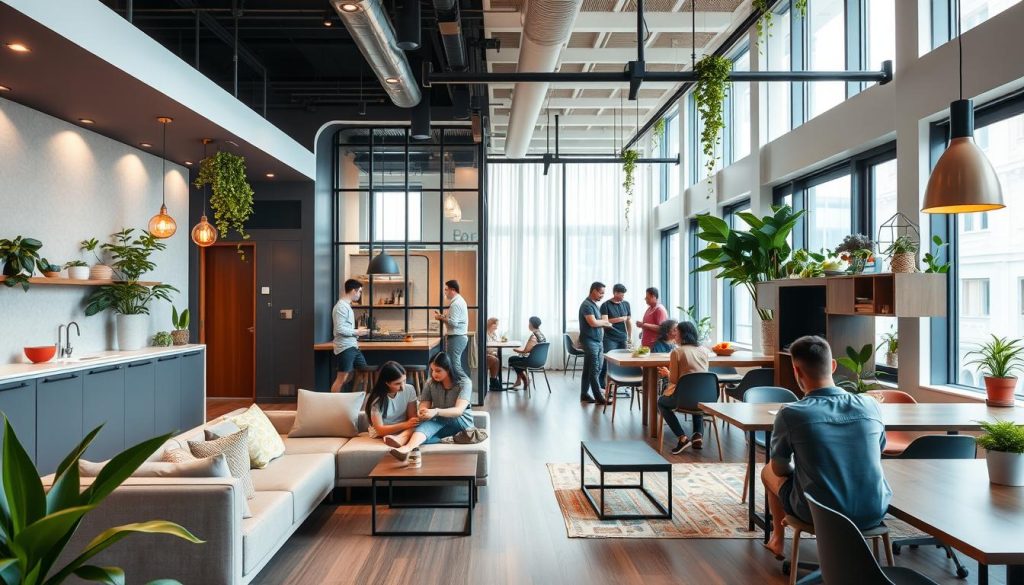
To attract tenants in today’s market, we need to market well. We should use new and interesting ways to market our co-living spaces. Using many digital channels helps us reach more people. This way, we can make our brand stand out in the co-living world.
It’s important to use strong online marketing to connect with people. Here are some key strategies:
Using influencer marketing in co-living is a great way to spread the word about our brand. By working with influencers who share our values, we can reach their followers. This helps us look more credible and attracts more people to our spaces.
| Strategy | Benefit |
|---|---|
| Search Engine Optimization | Increased online visibility and traffic |
| Content Marketing | Educates and engages possible residents |
| Email Marketing | Builds relationships and keeps tenants informed |
| High-Quality Visuals | Makes our property listings more appealing |
| Influencer Partnerships | Boosts our brand’s credibility and audience reach |
By using these marketing strategies, we’re ready to meet the needs of the growing co-living market in Singapore. Our approach will not only attract young professionals and students but also create a lively, connected community in our spaces.
We invite you to reach out for our professional cleaning services. They are designed for co-living spaces. Our team knows how important a clean and welcoming place is for everyone’s comfort.
We have experience in keeping lively communities clean. We make sure every corner of your space is spotless and inviting.
A clean living space is key for co-livers to connect. Our cleaning services aim to create a vibrant atmosphere. This helps residents thrive, whether for socials or small gatherings.
A clean environment sets the stage for positive interactions and memories. It’s all about creating a welcoming space.
Don’t miss our co-living promotions for great value. You can get a no-obligation quote easily. Just connect with us via WhatsApp at +65 9434 1391.
Let’s make your co-living journey better. Together, we can create a community where everyone feels at home.
Co-living is a new way to live where many people share spaces. It has private areas and common spaces for hanging out and working together.
Co-living spaces save money and build community. They offer flexible leases. This appeals to people who want more than just a place to live.
We need to look at what people want. In Singapore, focus on young professionals and digital nomads. Tailor your space to fit their needs.
A good plan has market analysis, financial forecasts, and marketing strategy. It should also outline how you’ll run the place sustainably. This makes you stand out.
You’ll need the right licenses and follow housing laws. Working with lawyers can help you understand and meet these requirements.
Location is key. Look for places near transport, shops, and startup hubs. This makes your space attractive to tenants.
Mix private and shared areas for a good vibe. Add fast internet, modern kitchens, and fun spaces. This makes your place appealing.
Create a unique value that speaks to your residents. Use marketing to show off community life and what people say about it. This builds loyalty.
Local partnerships add value by giving discounts and services. They create a supportive community, making your space better for everyone.
Host events, workshops, and gatherings. Use social media to share what’s happening. This brings people together and attracts new faces.
Hire good staff to run things smoothly. Use tech like property software and smart homes. This improves life for your residents.
Use SEO, content marketing, and ads online. Working with influencers can also help spread the word about your space.
Contact us for top-notch cleaning services for co-living spaces. We aim for excellence. For more info or quotes, WhatsApp us at +65 9434 1391.
Nestled in the bustling Singapore, Livhola is a co-living space crafted for those who seek comfort, convenience, and community.
© 2024 Livehola. All Rights Reserved