

Did you know co-living spaces in Singapore are growing fast? This is because more people want flexible and community-focused living. It’s not just about a place to live; it’s about building a strong community.
We see a big change in how interior spaces are used. They’re now designed to make people feel connected. The focus is on creating spaces that are both personal and shared.
To learn more about our community living spaces and current promotions, feel free to reach out to us via WhatsApp at +6594341391.
Singapore is seeing a big change towards co-living. This idea mixes community with privacy in housing. It’s changing how we live in cities, blending social life with personal space.
Co-living means shared housing that builds community but keeps privacy. It’s perfect for digital nomads, entrepreneurs, and millennials. They like flexibility and making friends. Co-living places have shared areas like kitchens and workspaces, promoting teamwork and friendship.
Co-living is becoming more popular in Singapore for good reasons. It’s cheaper than traditional housing, which is expensive here. It also creates a community, making it easier to make friends in a new place. Young professionals and expats love it for its ease, flexibility, and social benefits. For more on co-living, check out ArchDaily.
| Benefits | Description |
|---|---|
| Affordability | Co-living offers a more affordable option in Singapore’s expensive housing market. |
| Community | Fosters social connections and a sense of belonging among residents. |
| Flexibility | Flexible lease terms and amenities cater to the dynamic lifestyles of residents. |
Urban Singapore is seeing a big change towards co-living. This is because it’s affordable and focuses on community. With high living costs, co-living is a good solution.
Co-living offers a cheaper way to live compared to traditional housing in Singapore. By sharing and splitting costs, it’s more affordable. For example, co-living designs in Singapore are making affordable living possible.
Co-living builds a strong community. People can meet others with similar interests, creating a supportive space. This is great for expats and young professionals wanting to make friends in Singapore.
Co-living spaces have flexible leases and furnished rooms. They’re perfect for both expats and locals. Amenities like gyms and kitchens make living there convenient and practical.
Co-living spaces need good interior design to build community and keep privacy. The right design can greatly affect how people live together and with their surroundings.
Finding the right mix of private and shared areas is key. Private spaces should be cozy and quiet. Communal areas should be where people meet and share. This balance helps everyone feel at home.
Using multi-purpose furniture is smart for co-living. It saves space and makes the area more useful. This furniture does more than one thing, making the space better for everyone.
Keeping the look consistent is important for co-living spaces. Aesthetic cohesion makes everyone feel connected. Use the same colors, materials, and designs in both private and shared areas.
Designing communal areas in co-living spaces is key to building a community. These areas are where people come together, share, and form bonds. Their design is vital in creating a warm and welcoming space.
In co-living spaces, living rooms should be both comfy and practical. We suggest using furniture that can change with the activity, like modular sofas. Adding smart TVs and sound systems can also make these spaces more fun.

The shared kitchen and dining areas are the heart of co-living spaces. Design them with top-notch appliances, lots of counter space, and a big dining table. This encourages cooking and dining together, boosting social interaction and community spirit.
To make common areas inviting, we aim for flexibility and style. Mixing furniture styles and adding plants or art can make them feel cozy. Also, ensure they are well-lit and connected to outdoor spaces for extra charm.
By thoughtfully designing communal areas, co-living spaces become more than a home. They become lively communities where everyone feels welcome.
The private room is a sanctuary in co-living environments, needing careful design. A well-designed private room can greatly improve the living experience.
Maximizing Small Bedroom Spaces is key in co-living where space is limited. We use multi-functional furniture like storage beds or desks with shelves. “Smart furniture is not just about saving space; it’s about creating a comfortable and functional living area,” says an interior design expert. This way, we make small rooms feel spacious.
To make small bedroom spaces bigger, use wall-mounted shelves and compact furniture. Light colors on walls and floors also help make the space feel larger.
Personal storage is essential in private rooms. We suggest using under-bed storage, closet organizers, and hidden compartments. Effective storage solutions help maintain a clutter-free environment, promoting a sense of calm.
Creating a sense of ownership in private rooms is achieved by letting residents personalize their spaces. This can be done through artwork, personal decor, or flexible furniture arrangements that reflect individual tastes. As noted by a co-living space designer, “Personalization is key to making a space feel like home.”
Singapore-inspired co-living interior design trends are changing how we live together. They mix local art, craftsmanship, and climate care. These trends look good, work well, and are kind to the planet.
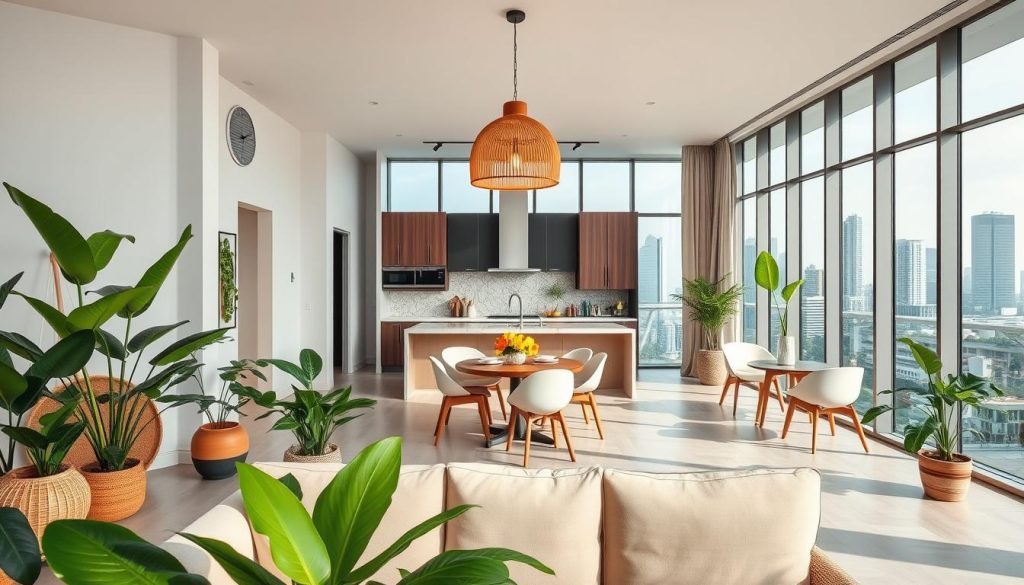
One big trend is mixing Eastern and Western design. This mix makes a space that’s both unique and peaceful. For example, you might see traditional Chinese designs with modern Scandinavian pieces.
Using local art and craftsmanship is also a big deal. These spaces show off local artists and makers. It makes the place feel more connected to the community and adds cultural richness.
Designers also focus on Singapore’s hot weather and busy life. They add things like natural air flow, green walls, and smart tech. These features make living better, greener, and more efficient.
Smart technology is changing co-living spaces in Singapore. It makes life easier and safer for residents. Technology plays a big role in making our living spaces better.
Home automation is a big part of smart co-living spaces. It lets people control lights, temperature, and entertainment from anywhere. This makes life easier and helps save energy.
Advanced security systems are key in smart co-living spaces. They give residents peace of mind. Features like secure access, CCTV, and monitoring ensure a safe place to live.
Energy efficiency is important in smart co-living spaces. Smart tech helps save energy by controlling lights and heating. This is good for the planet and saves money for residents.
| Smart Technology Feature | Benefits |
|---|---|
| Home Automation | Convenience, Energy Efficiency |
| Security Systems | Peace of Mind, Enhanced Safety |
| Energy Efficiency Solutions | Reduced Utility Costs, Environmental Benefits |
Choosing the right colors and materials is key in co-living spaces. It helps create a harmonious and green environment. The design of these spaces is important for building a community among residents.

Colors greatly affect mood and behavior in shared spaces. Calming colors like blues and greens help people relax. On the other hand, vibrant colors such as oranges and yellows encourage socializing. Designers pick colors to support the well-being of everyone living there.
Choosing materials wisely is essential for sustainability in co-living spaces. Recycled materials and sustainably sourced wood help reduce environmental harm. Also, durable and low-maintenance materials cut down on waste and extend the life of the space.
Singapore’s warm and humid climate requires special materials. Moisture-resistant materials like ceramic tiles and treated wood are perfect. They handle the climate well and need less upkeep, making the space more sustainable.
Singapore’s co-living design scene is all about community. These case studies show how successful projects have changed urban living here.
Hmlet focuses on building a community through design. Their spaces are made to bring people together.
Lyf by Ascott brings new ideas to co-living. They focus on flexibility and using technology.
Login Apartment blends culture and smart design. They make the most of every space.
We design spaces that meet our members’ needs. We listen to feedback to improve.
To make a co-living space that feels like home, working with interior designers is key. These experts bring creativity and know-how to the table. They make sure your space is both useful and beautiful.
When looking for an interior designer, find ones with co-living design experience. They should know the special needs and chances of co-living spaces. Look at their past work and read what clients say to see if they’re a good fit.
A great co-living design project needs a collaborative design approach. Work with your designer to share your ideas, budget, and needs. Keeping in touch ensures the design fits your vision and stays on budget.
Our team at our company is all about creating cool co-living spaces. Our expert interior designers are ready to help you make your project real. Whether you need design ideas or practical tips, we’re here to help.
Don’t miss our current deals and special offers. Contact us on WhatsApp at +6594341391 to see how we can make your co-living space unique.
Start making your co-living dream space a reality. Book a no-obligation visit to our spaces to see the future of co-living design.
| Benefits of Working with Us | What We Offer |
|---|---|
| Expertise in Co-Living Design | Personalized design consultation |
| Collaborative Design Process | Regular project updates and communication |
| Access to Current Promotions | Limited-time offers and discounts |
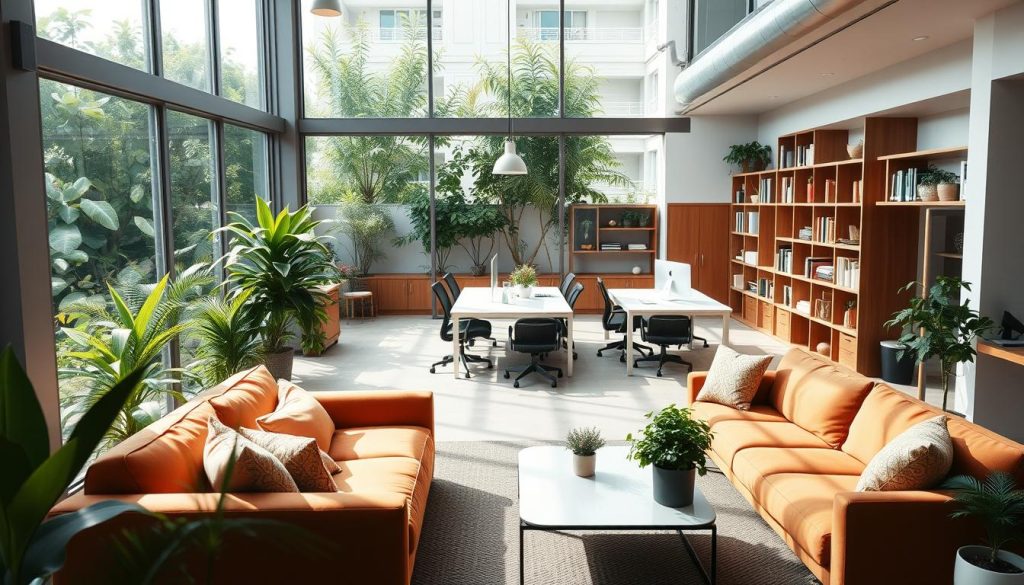
Co-living is becoming more popular in Singapore. It offers many benefits like being affordable, building a community, and being convenient. Good interior design is key to making co-living spaces feel like home.
Singapore is set to change how we live in cities with co-living. The future looks bright with new designs and smart tech. We’ll see more co-living spaces that make living better.
The success of co-living in Singapore depends on finding the right mix. It needs private and shared areas, local touches, and smart tech. It will be interesting to see how co-living keeps evolving in Singapore.
Co-living is a shared housing type that focuses on community and social bonds. It’s different from regular housing because it mixes private and shared areas. This creates a sense of togetherness and friendship among residents.
Co-living in Singapore has many advantages. It’s affordable, helps build community, and is great for both expats and locals. It also offers a flexible and cozy living space, solving the problem of high housing costs.
Co-living spaces in Singapore use smart tech like home automation and energy-saving solutions. This makes living easier, safer, and more eco-friendly for residents.
Key design principles for co-living include mixing private and shared areas, focusing on function and beauty. Using multi-use furniture and smart storage is also important. These elements help make the space both comfortable and efficient.
For more info on our community living spaces and promotions, WhatsApp us at +6594341391. Our team will give you all the details and arrange a viewing.
In Singapore, co-living design trends include mixing Eastern and Western styles, using local art, and fitting the climate and lifestyle. These trends make for a unique and culturally rich living space.
Co-living spaces foster community through communal areas like living rooms and kitchens. These spaces encourage people to meet and form bonds. This builds a strong sense of community and belonging.
When picking an interior designer for your co-living space, look at their co-living experience and understanding of your needs. Also, choose someone who works well with you. Contact us for expert advice and to book a viewing.
Nestled in the bustling Singapore, Livhola is a co-living space crafted for those who seek comfort, convenience, and community.
© 2024 Livehola. All Rights Reserved